 By Brandon Miller
 -
Table of Contents
The Role of Floating Cities in Future Climate Adaptation
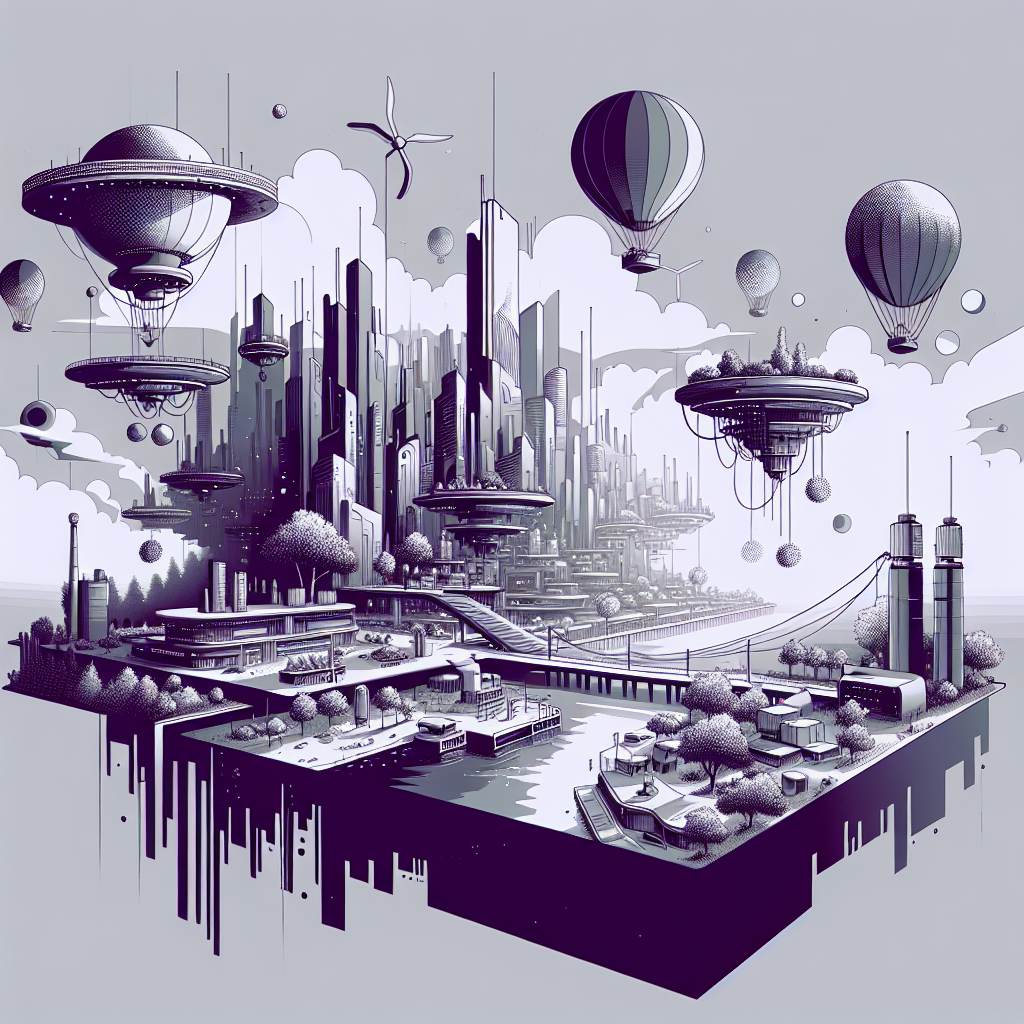
Author’s note: As we grapple with the realities of climate change, innovative solutions are emerging to address the challenges posed by rising sea levels and extreme weather events. Floating cities represent a bold vision for the future, offering a sustainable alternative to traditional urban living. In this article, I explore the potential of these aquatic habitats and their role in climate adaptation.
Climate change is no longer a distant threat; it is a pressing reality that demands immediate action. As we look to the future, floating cities emerge as a viable solution to several critical issues:
- Rising sea levels threatening coastal communities
- Urban overcrowding and housing shortages
- Environmental degradation and loss of biodiversity
- Need for sustainable energy and resource management
- Adaptation to extreme weather events
Floating cities, designed to rise and fall with the tides, offer a unique approach to urban living that harmonizes with the natural environment. These innovative structures are not merely a response to climate change; they represent a paradigm shift in how we conceive of urban spaces. By integrating advanced technology with sustainable practices, floating cities can provide resilient habitats that adapt to the changing climate.
Design and Technology: The Backbone of Floating Cities
The design of floating cities is rooted in cutting-edge technology and sustainable architecture. These cities are typically constructed using modular platforms that can be assembled and disassembled as needed. This flexibility allows for the adaptation of urban layouts in response to environmental changes. Key features of floating city design include:
- Modular Construction: Platforms can be expanded or reconfigured to accommodate population growth or changing environmental conditions.
- Renewable Energy Sources: Solar panels, wind turbines, and wave energy converters can be integrated into the design, ensuring that floating cities are self-sufficient.
- Water Management Systems: Advanced systems for rainwater harvesting and wastewater treatment can minimize the environmental impact and promote sustainability.
- Green Spaces: Incorporating parks and gardens not only enhances the aesthetic appeal but also contributes to biodiversity and improves air quality.
These design elements are crucial for creating a livable environment that can withstand the challenges posed by climate change. By prioritizing sustainability and resilience, floating cities can serve as models for future urban development.
Social and Economic Implications
The establishment of floating cities also carries significant social and economic implications. As traditional coastal cities face the threat of inundation, floating cities can provide a safe haven for displaced populations. This relocation can help alleviate overcrowding in urban areas while fostering new economic opportunities. Some potential benefits include:
- Job Creation: The construction and maintenance of floating cities can generate employment in various sectors, from engineering to hospitality.
- Tourism Opportunities: Unique floating city designs can attract tourists, boosting local economies and promoting cultural exchange.
- Community Building: Floating cities can foster a sense of community through shared spaces and collaborative initiatives, enhancing social cohesion.
However, the transition to floating cities is not without challenges. Issues such as governance, legal frameworks, and funding must be addressed to ensure the successful implementation of these innovative urban spaces. Collaboration between governments, private sectors, and local communities will be essential in navigating these complexities.
Global Examples and Initiatives
Several initiatives around the world are already exploring the concept of floating cities. Notable examples include:
- The Oceanix City: A prototype developed in collaboration with the United Nations, designed to accommodate up to 10,000 residents while being fully sustainable.
- Floating Island Project in the Maldives: Aiming to create a floating community that can withstand rising sea levels while providing housing and amenities for locals.
- Blue21: A Dutch company focused on developing floating urban solutions that integrate with existing ecosystems.
These projects highlight the potential of floating cities to address the pressing challenges of climate change while promoting sustainable living. As we continue to innovate and adapt, the lessons learned from these initiatives will be invaluable in shaping the future of urban development.
In conclusion, floating cities represent a forward-thinking solution to the challenges posed by climate change. By embracing innovative design, sustainable practices, and community engagement, we can create resilient urban environments that not only survive but thrive in the face of adversity. As we look to the future, the vision of floating cities may very well become a reality, offering hope and inspiration for generations to come.