 By Brandon Miller
 -
Table of Contents
How AI is Transforming the Global Creative Industries
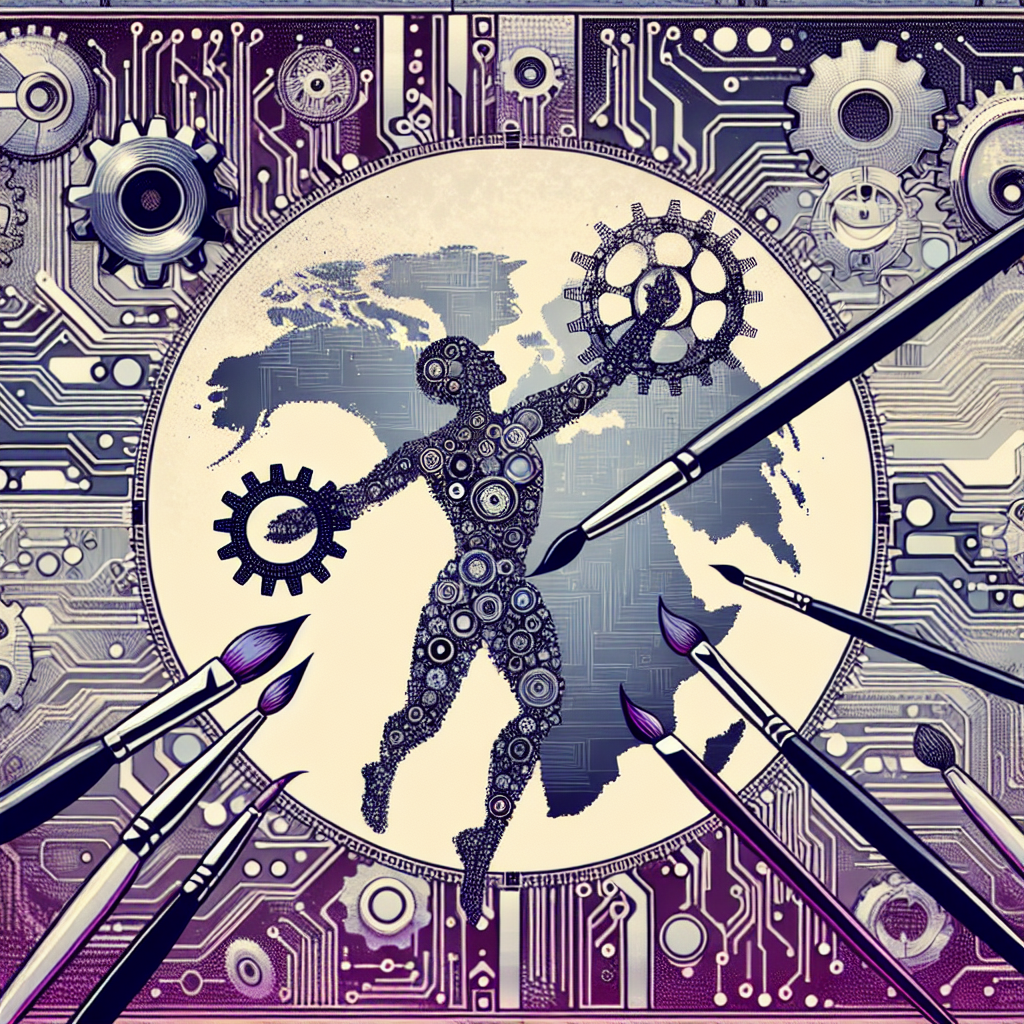
Author’s note: As a long-time observer of the intersection between technology and creativity, I have witnessed firsthand the profound changes that artificial intelligence (AI) is bringing to the creative industries. From art and music to writing and design, AI is not just a tool; it is a collaborator, a muse, and sometimes even a creator in its own right. In this article, I will explore the various ways AI is reshaping the landscape of creativity.
The global creative industries are undergoing a seismic shift, driven by advancements in artificial intelligence. This transformation is characterized by several key elements:
- Enhanced creativity through collaboration
- Streamlined production processes
- Personalized content creation
- Data-driven insights for better decision-making
- New forms of artistic expression
AI’s impact on the creative industries is multifaceted, affecting everything from the way artists conceptualize their work to how consumers engage with it. One of the most exciting developments is the emergence of AI as a collaborative partner. Artists and creators are increasingly using AI tools to generate ideas, explore new styles, and even produce entire pieces of work. For instance, AI algorithms can analyze vast datasets of existing art, music, or literature, identifying patterns and trends that can inspire human creators. This symbiotic relationship allows for a fusion of human intuition and machine efficiency, resulting in innovative outcomes that neither could achieve alone.
In the realm of visual arts, AI-generated artwork has gained significant attention. Platforms like DALL-E and Midjourney allow users to input text prompts, which the AI then translates into stunning visual representations. These tools democratize art creation, enabling individuals without formal training to produce compelling images. While some purists may argue that AI lacks the emotional depth of human artists, the reality is that these technologies are expanding the definition of creativity itself. Artists are now challenged to rethink their roles, not as sole creators but as curators and collaborators with AI.
Music is another area where AI is making waves. Tools like OpenAI’s MuseNet and Jukedeck can compose original music in various genres, often indistinguishable from human-created compositions. This capability is not just a novelty; it has practical applications in film scoring, advertising, and even personal playlists. Musicians are leveraging AI to generate backing tracks, explore new sounds, and even write lyrics. The result is a more diverse musical landscape, where the boundaries between human and machine-made music blur.
Writing, too, is experiencing a renaissance thanks to AI. Natural language processing (NLP) technologies, such as GPT-3, are enabling writers to brainstorm ideas, generate content, and even edit their work. These tools can assist in everything from crafting blog posts to drafting novels, allowing writers to focus on higher-level creative tasks. However, this raises important questions about authorship and originality. As AI-generated text becomes more prevalent, the literary world must grapple with the implications of machine-generated narratives and the value of human storytelling.
Beyond individual creativity, AI is also streamlining production processes across various creative sectors. In film and television, AI algorithms can analyze scripts, predict audience reactions, and even assist in casting decisions. This data-driven approach allows producers to make informed choices, reducing the risk of financial failure. Similarly, in advertising, AI can analyze consumer behavior and preferences, enabling brands to create highly targeted campaigns that resonate with their audiences. The result is a more efficient creative process that maximizes impact while minimizing waste.
Personalization is another significant benefit of AI in the creative industries. Streaming services like Netflix and Spotify use AI algorithms to analyze user preferences, curating content that aligns with individual tastes. This level of personalization enhances user engagement and satisfaction, creating a more immersive experience. As consumers increasingly expect tailored content, the ability to leverage AI for personalization will become a critical differentiator for creative businesses.
Finally, AI is giving rise to entirely new forms of artistic expression. Interactive installations, generative art, and virtual reality experiences are just a few examples of how technology is pushing the boundaries of creativity. Artists are experimenting with AI to create immersive experiences that engage audiences in novel ways, challenging traditional notions of art and its consumption. This evolution not only enriches the creative landscape but also invites broader participation from diverse audiences.
As we navigate this exciting new frontier, it is essential to recognize that AI is not a replacement for human creativity but rather a catalyst for it. The future of the creative industries will likely be defined by collaboration between humans and machines, where each brings unique strengths to the table. Embracing this partnership will enable us to unlock new possibilities and redefine what it means to be creative in the 21st century.