 By Brandon Miller
 -
Table of Contents
The Impact of Social Robots on Elder Care
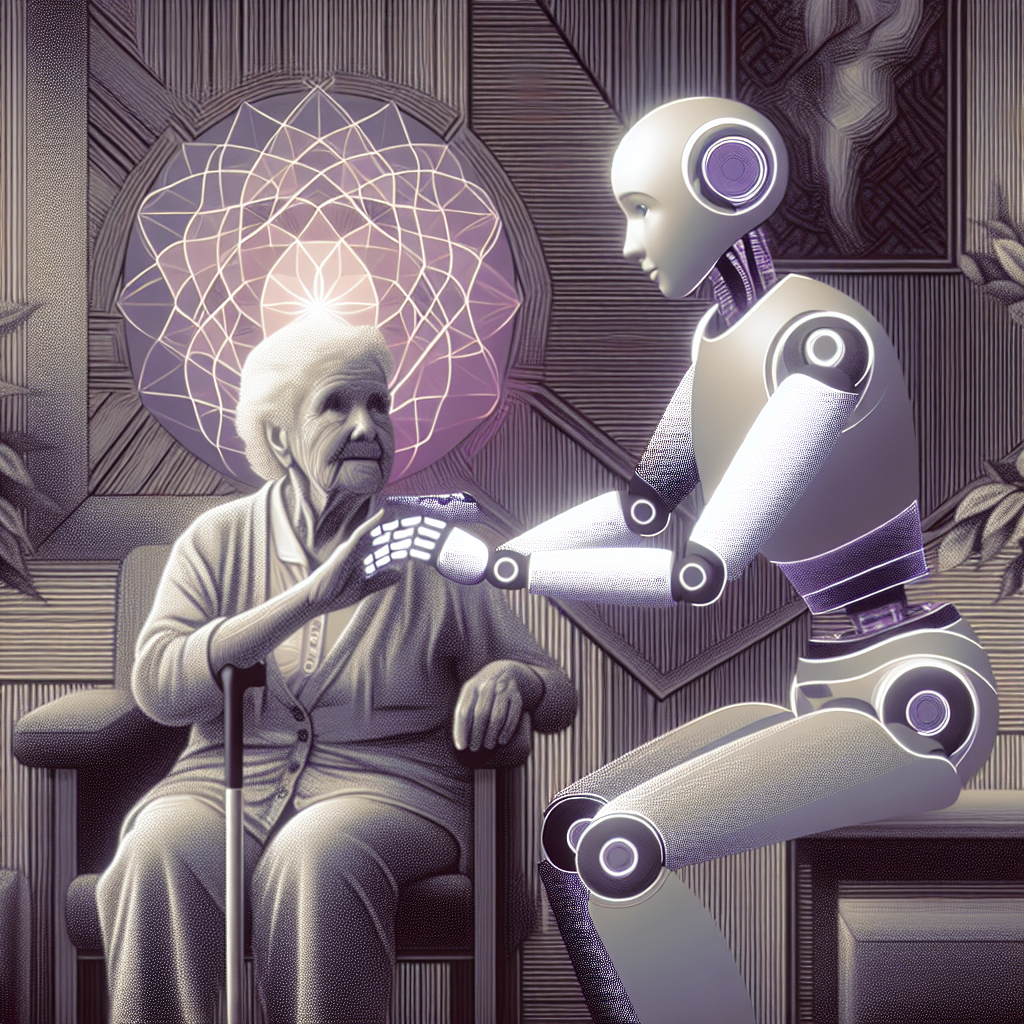
Author’s note: As a passionate advocate for the integration of technology in healthcare, I have witnessed firsthand the transformative potential of social robots in elder care. In this article, I will explore how these innovative machines are reshaping the landscape of caregiving, enhancing the quality of life for seniors, and providing invaluable support to caregivers.
In recent years, the emergence of social robots has sparked a revolution in elder care, offering a range of benefits that address the unique challenges faced by aging populations. These robots are designed to interact with seniors in a meaningful way, providing companionship, assistance, and even entertainment. Some key features of social robots include:
- Companionship and emotional support
- Assistance with daily activities
- Health monitoring and reminders
- Engagement through games and activities
- Communication facilitation with family and friends
As the global population ages, the demand for elder care services continues to rise. Traditional caregiving methods often struggle to meet the needs of seniors, leading to feelings of isolation and neglect. Social robots, however, are stepping in to fill this gap, offering a unique blend of technology and empathy that can significantly enhance the quality of life for older adults.
Companionship and Emotional Support
One of the most profound impacts of social robots in elder care is their ability to provide companionship. Many seniors experience loneliness, which can lead to depression and a decline in overall health. Social robots, such as the well-known Paro therapeutic robot, are designed to engage with users in a way that mimics human interaction. These robots can respond to touch, voice, and even facial expressions, creating a sense of connection that is often missing in traditional care settings.
Research has shown that interactions with social robots can lead to improved mood and reduced feelings of loneliness among seniors. By providing a non-judgmental presence, these robots can help foster emotional well-being, making them an invaluable addition to elder care facilities and home care environments alike.
Assistance with Daily Activities
Social robots are not just companions; they also serve practical purposes in assisting seniors with daily activities. Many robots are equipped with features that allow them to help with tasks such as medication reminders, meal preparation, and even mobility assistance. For instance, robots like ElliQ are designed to encourage seniors to stay active and engaged, reminding them to take their medications or suggesting activities based on their preferences.
This assistance can be particularly beneficial for seniors who may struggle with memory loss or physical limitations. By providing reminders and support, social robots can help seniors maintain their independence while ensuring they receive the care they need.
Health Monitoring and Safety
Another significant advantage of social robots in elder care is their ability to monitor health and safety. Many robots are equipped with sensors that can track vital signs, detect falls, and even alert caregivers in case of emergencies. This real-time monitoring can provide peace of mind for both seniors and their families, knowing that help is readily available if needed.
Moreover, social robots can facilitate communication between seniors and healthcare providers. By collecting data on a senior’s health status, these robots can help inform care plans and ensure that any changes in health are promptly addressed. This proactive approach to health management can lead to better outcomes and a higher quality of life for seniors.
Engagement and Cognitive Stimulation
Social robots also play a crucial role in engaging seniors and providing cognitive stimulation. Many robots are programmed with games, puzzles, and activities that can help keep the mind sharp and promote social interaction. For example, robots like Jibo and Aibo can engage users in conversations, play games, and even tell stories, making them entertaining companions.
Engagement is essential for maintaining cognitive function in older adults. By providing stimulating activities, social robots can help reduce the risk of cognitive decline and promote a sense of purpose and joy in daily life.
Facilitating Communication
Finally, social robots can bridge the communication gap between seniors and their families. Many robots are equipped with video calling capabilities, allowing seniors to connect with loved ones easily. This feature is particularly important for those who may have mobility issues or live far from family members.
By facilitating communication, social robots can help strengthen family bonds and reduce feelings of isolation. The ability to see and talk to family members can significantly enhance a senior’s emotional well-being, making them feel more connected to the outside world.
In summary, the integration of social robots into elder care represents a significant advancement in how we approach the needs of aging populations. By providing companionship, assistance, health monitoring, engagement, and communication, these robots are not just tools; they are companions that can enhance the quality of life for seniors and support caregivers in their vital roles. As technology continues to evolve, the potential for social robots in elder care will only grow, paving the way for a future where aging is met with dignity, respect, and compassion.