 By Brandon Miller
 -
Table of Contents
How Subscription Fatigue Changes the Digital Economy
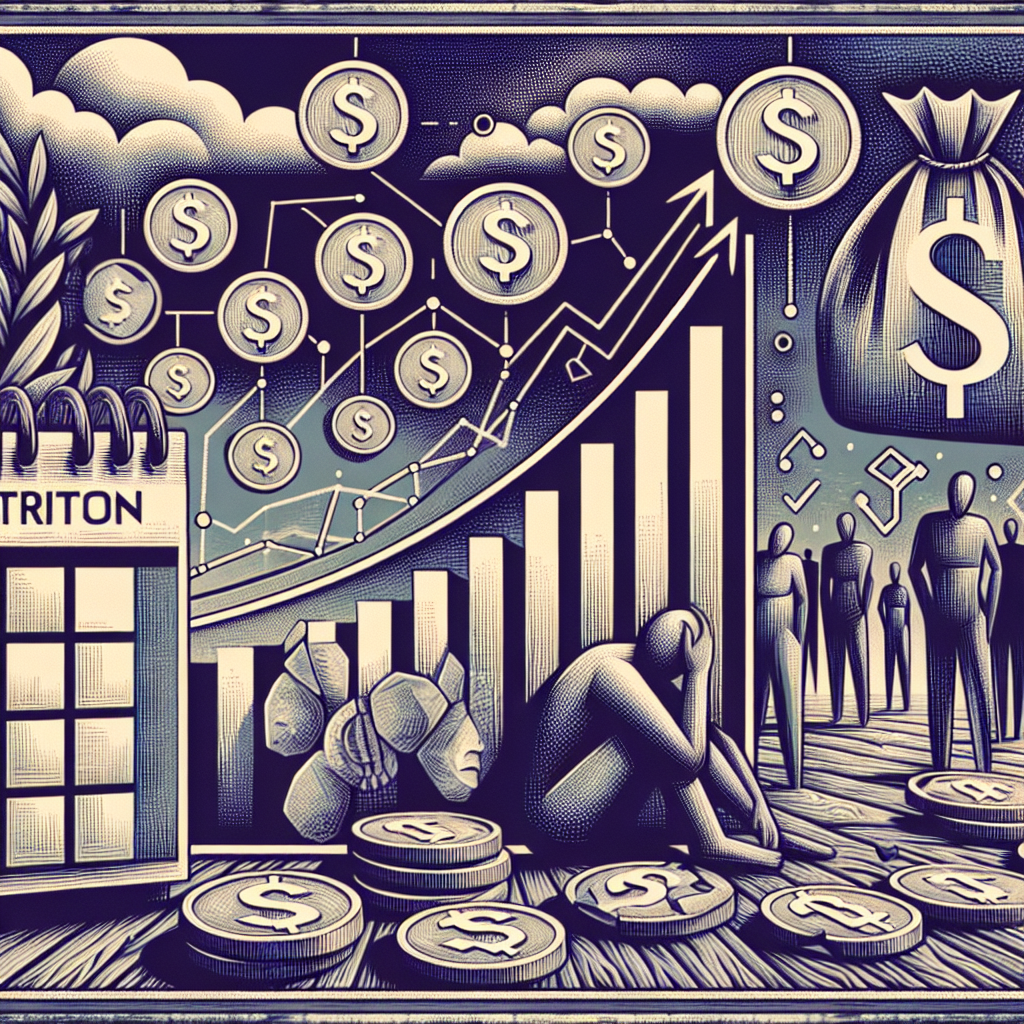
Author’s note: As a long-time observer of digital trends, I’ve witnessed the evolution of subscription models from a novel concept to a ubiquitous part of our daily lives. However, as the market becomes saturated, a new phenomenon—subscription fatigue—has begun to reshape consumer behavior and the digital economy at large.
In recent years, the subscription model has become a dominant force across various sectors, including entertainment, software, and even food delivery. While the convenience of having services at our fingertips is undeniable, many consumers are now feeling overwhelmed by the sheer number of subscriptions they manage. This phenomenon can be summarized by a few key points:
- Increased monthly expenses
- Overlapping services
- Difficulty in tracking subscriptions
- Consumer burnout
- Desire for flexibility
Subscription fatigue is not merely a buzzword; it reflects a significant shift in consumer sentiment. As more companies adopt subscription-based models, consumers are faced with an avalanche of choices. From streaming services like Netflix and Disney+ to software solutions such as Adobe Creative Cloud and Microsoft 365, the options are endless. However, this abundance can lead to confusion and frustration, as users struggle to keep track of what they are paying for and whether they are truly getting value from each service.
The Impact on Consumer Behavior
As subscription fatigue sets in, consumer behavior is changing in several notable ways. First, many individuals are beginning to prioritize their subscriptions, often opting to keep only those that provide the most value. This trend is evident in the growing popularity of subscription management tools, which help users track their expenses and identify services they no longer use. In fact, a recent survey indicated that nearly 30% of consumers have canceled at least one subscription in the past year due to feeling overwhelmed.
Moreover, consumers are becoming increasingly discerning about the services they choose to subscribe to. They are more likely to seek out free trials or short-term commitments before making a long-term financial commitment. This shift has prompted companies to rethink their pricing strategies, often offering more flexible plans or bundling services to provide better value. For instance, many streaming platforms are now offering ad-supported tiers, allowing users to access content at a lower price point.
Effects on the Digital Economy
The implications of subscription fatigue extend beyond individual consumers; they are reshaping the digital economy as a whole. As users become more selective, companies must adapt to retain their customer base. This has led to a more competitive landscape, where businesses are forced to innovate and differentiate themselves to stand out in a crowded market.
One significant trend is the rise of hybrid models that combine subscription services with one-time purchases. For example, video game companies are increasingly offering both subscription access to a library of games and the option to purchase individual titles outright. This approach caters to consumers who may be hesitant to commit to a subscription but still want access to premium content.
Challenges for Businesses
While the shift towards more flexible models can benefit consumers, it presents challenges for businesses. Companies must invest in understanding their customers’ needs and preferences, which requires robust data analytics and customer feedback mechanisms. Additionally, maintaining a balance between subscription revenue and one-time sales can be tricky, as businesses must ensure they are not alienating loyal subscribers while trying to attract new customers.
The Future of Subscriptions
Looking ahead, the future of subscriptions will likely involve a greater emphasis on personalization and user experience. Companies that can tailor their offerings to meet the specific needs of their customers will be better positioned to thrive in this evolving landscape. Furthermore, as consumers continue to seek value and flexibility, we may see a rise in collaborative consumption models, where users share subscriptions or access services collectively.
In conclusion, subscription fatigue is a powerful force that is reshaping the digital economy. As consumers become more selective and discerning, businesses must adapt to meet their evolving needs. The challenge lies in finding the right balance between providing value and maintaining customer loyalty in an increasingly crowded marketplace. The companies that succeed will be those that prioritize transparency, flexibility, and a deep understanding of their customers’ preferences.