 By Brandon Miller
 -
Table of Contents
The Role of Citizen Science in Astronomy
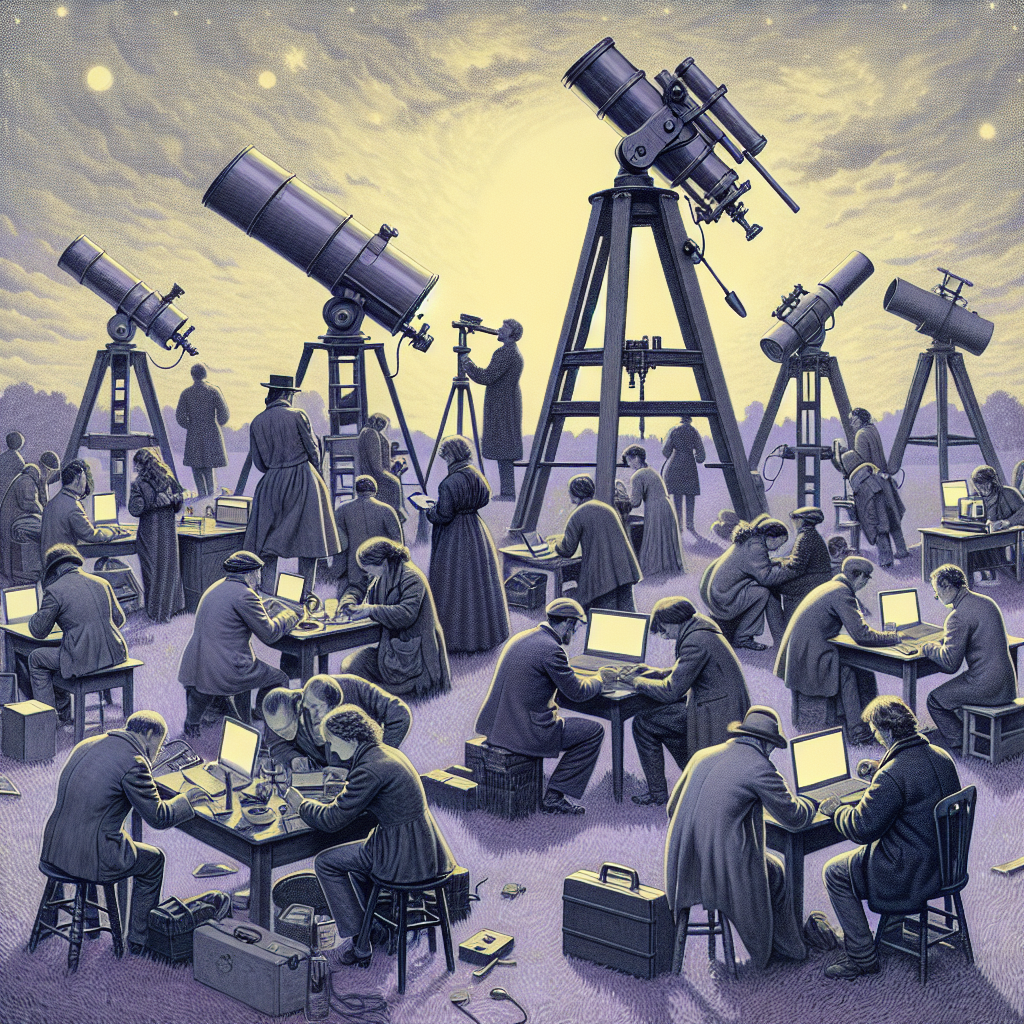
Author’s note: As an avid stargazer and a passionate advocate for science communication, I have always been fascinated by the intersection of amateur enthusiasm and professional research. Citizen science has emerged as a powerful tool in various scientific fields, and astronomy is no exception. In this article, I will explore how everyday individuals contribute to astronomical discoveries and the broader implications of their involvement.
Astronomy, the study of celestial objects and phenomena, has traditionally been the domain of trained professionals equipped with advanced technology and extensive knowledge. However, the landscape of this field is changing dramatically, thanks in large part to the contributions of citizen scientists. These enthusiastic individuals engage in various activities, including:
- Data collection and analysis
- Public outreach and education
- Participating in large-scale surveys
- Identifying celestial events
- Contributing to research publications
Citizen science in astronomy is not a new concept; it has roots that trace back to the early days of the field. However, the advent of the internet and advanced technology has revolutionized how amateurs can participate. Today, platforms like Galaxy Zoo and Zooniverse allow individuals to classify galaxies, identify exoplanets, and even detect gravitational waves from the comfort of their homes. This democratization of science has opened up new avenues for discovery and collaboration.
The Power of Collaboration
One of the most significant advantages of citizen science is the sheer volume of data that can be processed. Professional astronomers often face the challenge of analyzing vast datasets generated by telescopes and satellites. Citizen scientists can help alleviate this burden by participating in projects that require human intuition and pattern recognition. For instance, in the Galaxy Zoo project, volunteers classify millions of galaxy images, helping researchers understand the structure and evolution of the universe.
Moreover, the collaborative nature of citizen science fosters a sense of community among participants. Enthusiasts from diverse backgrounds come together, sharing their findings and insights, which can lead to unexpected discoveries. This collaborative spirit not only enhances the research process but also enriches the experience for the volunteers, who often find a sense of purpose and belonging in their contributions.
Engaging the Public
Citizen science also plays a crucial role in public engagement and education. By involving non-professionals in scientific research, astronomy becomes more accessible and relatable. Projects like the American Association of Variable Star Observers (AAVSO) encourage amateur astronomers to monitor and report on variable stars, providing valuable data while simultaneously educating participants about stellar phenomena.
Furthermore, citizen science initiatives often inspire a new generation of scientists. Young people who participate in these projects may develop a passion for astronomy and pursue careers in science, technology, engineering, and mathematics (STEM). The hands-on experience gained through citizen science can be a powerful motivator, bridging the gap between education and real-world application.
Challenges and Considerations
While the benefits of citizen science in astronomy are numerous, there are also challenges to consider. Ensuring the quality and reliability of data collected by non-professionals is paramount. Researchers must implement robust training and validation processes to maintain scientific rigor. Additionally, the motivations of citizen scientists can vary widely; some may be driven by a genuine interest in science, while others may seek personal recognition or social interaction.
To address these challenges, many projects provide comprehensive training resources and support for volunteers. By fostering a culture of collaboration and continuous learning, researchers can enhance the quality of contributions while keeping participants engaged and motivated.
The Future of Citizen Science in Astronomy
As technology continues to advance, the potential for citizen science in astronomy will only grow. The rise of artificial intelligence and machine learning can complement human efforts, allowing for more efficient data analysis and discovery. However, the human element remains irreplaceable; the intuition and creativity of citizen scientists can lead to breakthroughs that algorithms alone may not achieve.
In conclusion, citizen science is reshaping the field of astronomy, empowering individuals to contribute to significant discoveries and fostering a deeper connection between the public and the cosmos. As we look to the stars, it is clear that the future of astronomy is not solely in the hands of professionals but is a collaborative endeavor that includes all of us. The universe is vast, and together, we can explore its mysteries.