 By Brandon Miller
 -
Table of Contents
How Algae-Based Bioplastics Enter Consumer Markets
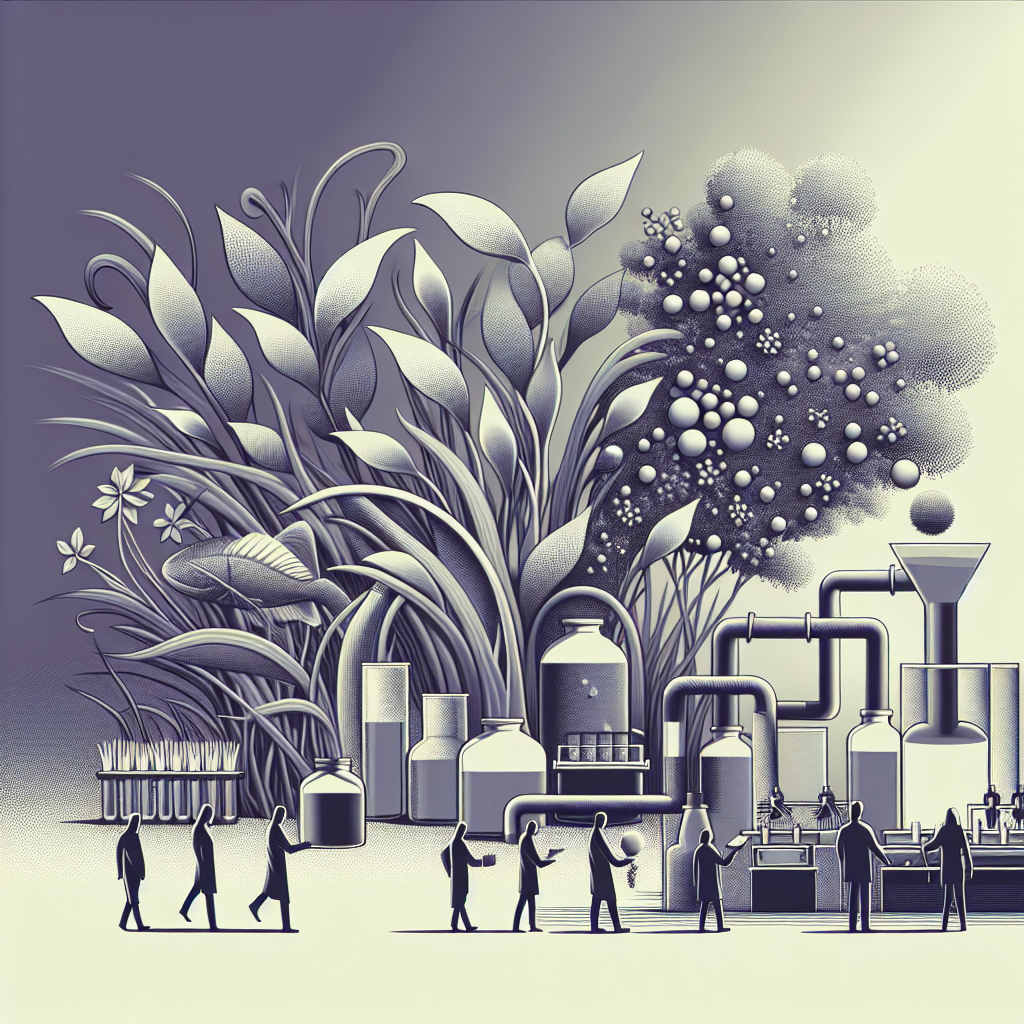
Author’s note: As an advocate for sustainable innovation, I have been closely following the evolution of bioplastics, particularly those derived from algae. The potential of these materials to reshape our consumer landscape is both exciting and necessary in our quest for environmental sustainability. In this article, I will explore how algae-based bioplastics are making their way into consumer markets and the implications of this shift.
In recent years, the conversation around sustainability has intensified, leading to a surge in interest in alternative materials. Algae-based bioplastics are emerging as a promising solution, offering a range of benefits that appeal to both manufacturers and consumers. Here are some key points to consider:
- Renewable resource: Algae can be cultivated rapidly and sustainably.
- Biodegradable: Unlike traditional plastics, algae-based bioplastics break down naturally.
- Low carbon footprint: The production process emits fewer greenhouse gases.
- Versatile applications: These bioplastics can be used in packaging, textiles, and more.
- Consumer demand: Growing awareness of environmental issues drives interest in sustainable products.
The journey of algae-based bioplastics into consumer markets is a multifaceted process that involves innovation, collaboration, and education. At the heart of this movement is the need for sustainable alternatives to conventional plastics, which have long been criticized for their environmental impact. Algae, with its rapid growth rate and ability to thrive in various environments, presents a viable solution. Companies are increasingly recognizing the potential of algae as a raw material, leading to the development of innovative bioplastic products.
Innovation in Algae-Based Bioplastics
Research and development play a crucial role in the advancement of algae-based bioplastics. Scientists and engineers are working tirelessly to refine the extraction and processing methods of algal biomass, making it suitable for various applications. This innovation is not limited to the material itself; it also encompasses the production processes that minimize energy consumption and waste.
One notable example is the work being done by companies like Algix and BioLogiQ, which are pioneering the use of algae in bioplastic formulations. These companies are developing products that not only meet consumer needs but also align with sustainability goals. By leveraging the unique properties of algae, they are creating bioplastics that can compete with traditional materials in terms of performance and cost.
Collaboration Across Industries
The successful entry of algae-based bioplastics into consumer markets is also dependent on collaboration across various sectors. Partnerships between researchers, manufacturers, and retailers are essential for driving innovation and scaling production. For instance, collaborations between universities and private companies are fostering the development of new technologies that enhance the efficiency of algae cultivation and processing.
Moreover, retailers are beginning to recognize the value of offering sustainable products to their customers. By partnering with manufacturers of algae-based bioplastics, they can provide eco-friendly alternatives that resonate with environmentally conscious consumers. This collaboration not only benefits the companies involved but also contributes to a broader shift towards sustainability in the marketplace.
Consumer Awareness and Education
As algae-based bioplastics begin to penetrate consumer markets, raising awareness and educating the public about their benefits is crucial. Many consumers are still unfamiliar with bioplastics and may have misconceptions about their performance and environmental impact. Effective marketing strategies that highlight the advantages of algae-based products can help bridge this knowledge gap.
Social media campaigns, informative packaging, and community engagement initiatives can play a significant role in promoting algae-based bioplastics. By sharing success stories and demonstrating the positive impact of these materials, companies can foster a sense of trust and loyalty among consumers. Additionally, educational programs in schools and communities can help cultivate a generation that values sustainability and is more inclined to choose eco-friendly products.
The Future of Algae-Based Bioplastics
The future of algae-based bioplastics looks promising, with increasing investments and interest from various stakeholders. As technology continues to advance, we can expect to see more innovative products entering the market. Furthermore, as consumer demand for sustainable options grows, companies will be incentivized to explore algae as a viable alternative to traditional plastics.
In conclusion, the entry of algae-based bioplastics into consumer markets represents a significant step towards a more sustainable future. Through innovation, collaboration, and education, these materials have the potential to transform industries and reduce our reliance on fossil fuels. As we continue to navigate the challenges of climate change and environmental degradation, embracing algae-based bioplastics may be one of the most effective strategies for creating a greener planet.