 By Brandon Miller
 -
Table of Contents
The Role of Digital Detox in Mental Health Culture
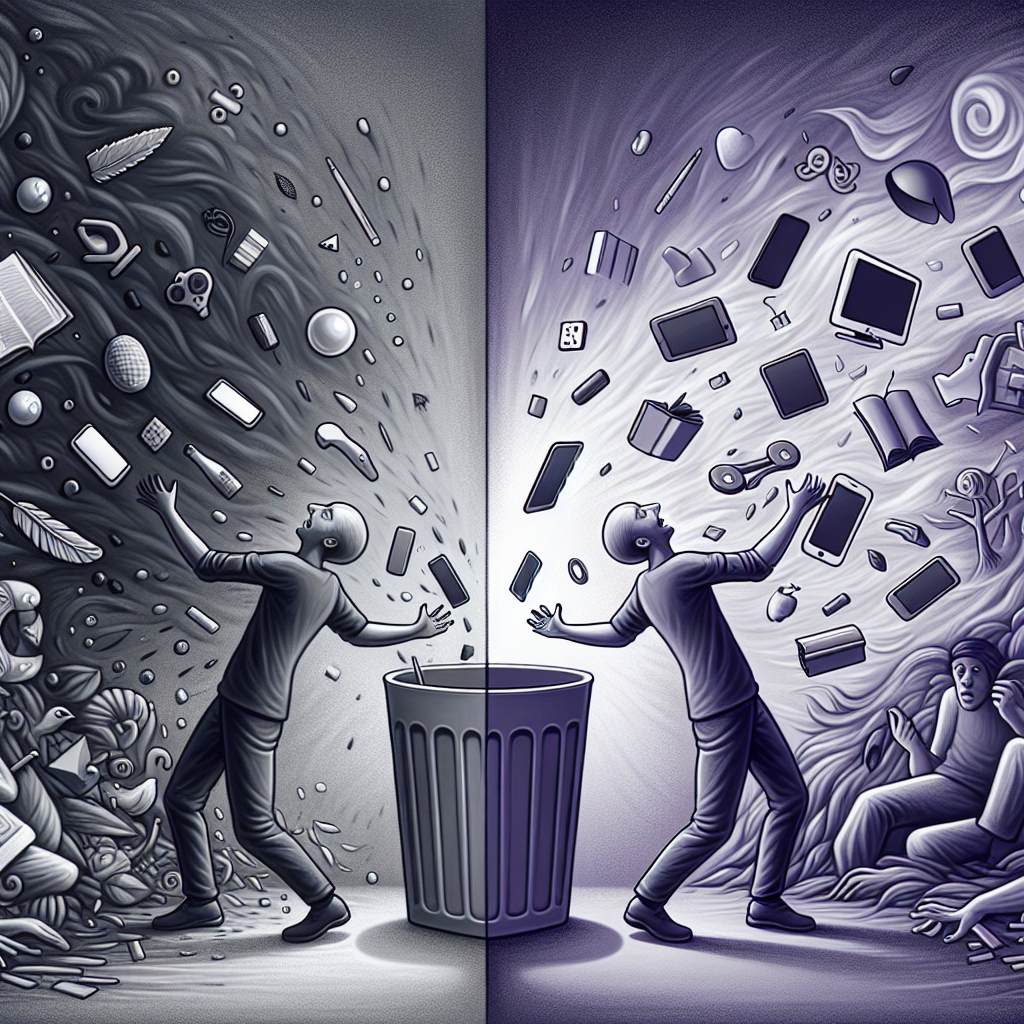
Author’s note: As a long-time advocate for mental health awareness, I have witnessed firsthand the profound impact that our digital lives can have on our well-being. In an age where screens dominate our daily routines, the concept of a digital detox has emerged as a vital practice for restoring balance and enhancing mental health. In this article, I will explore the significance of digital detoxes and their role in fostering a healthier mental health culture.
In today’s hyper-connected world, the constant barrage of notifications, social media updates, and digital distractions can take a toll on our mental health. Many individuals are beginning to recognize the need for a break from their screens. Here are some key reasons why a digital detox is essential:
- Reduces anxiety and stress levels
- Improves focus and productivity
- Enhances real-life social interactions
- Promotes better sleep quality
- Encourages mindfulness and self-reflection
The term “digital detox” refers to a period during which an individual refrains from using digital devices, particularly smartphones, computers, and social media platforms. This practice is not merely about disconnecting from technology; it is about reconnecting with oneself and the world around us. As we delve deeper into the implications of a digital detox, it becomes clear that this practice is not just a trend but a necessary response to the challenges posed by our digital age.
The Psychological Impact of Constant Connectivity
Research has shown that excessive screen time can lead to a range of mental health issues, including anxiety, depression, and feelings of isolation. The phenomenon of “FOMO” (fear of missing out) is exacerbated by social media, where individuals often compare their lives to the curated highlights of others. This comparison can lead to feelings of inadequacy and low self-esteem.
Moreover, the constant notifications and alerts from our devices can create a state of perpetual distraction, making it difficult to focus on tasks or engage in meaningful conversations. The brain, overwhelmed by information, struggles to process and prioritize, leading to cognitive overload. A digital detox offers a much-needed respite from this chaos, allowing individuals to reclaim their mental space.
Benefits of a Digital Detox
Engaging in a digital detox can yield numerous benefits for mental health. One of the most immediate effects is a reduction in anxiety levels. By stepping away from the digital noise, individuals can experience a sense of calm and clarity. This break allows for introspection and self-discovery, fostering a deeper understanding of one’s thoughts and feelings.
Additionally, a digital detox can significantly improve focus and productivity. Without the constant interruptions of notifications, individuals can immerse themselves in their work or hobbies, leading to a more fulfilling and efficient use of time. This newfound focus can also enhance creativity, as the mind is free to wander and explore ideas without the constraints of digital distractions.
Another crucial aspect of a digital detox is the opportunity it provides for real-life social interactions. In a world where virtual connections often take precedence, stepping away from screens encourages individuals to engage with friends and family in person. These face-to-face interactions are vital for building strong relationships and fostering a sense of community, both of which are essential for mental well-being.
Implementing a Digital Detox
For those interested in embarking on a digital detox, the process can be tailored to individual needs and lifestyles. Here are some practical steps to consider:
- Set Clear Boundaries: Determine specific times during the day when you will disconnect from your devices. This could be during meals, before bedtime, or designated “tech-free” hours.
- Engage in Offline Activities: Rediscover hobbies that do not involve screens, such as reading, painting, or hiking. These activities can provide a refreshing break from digital consumption.
- Practice Mindfulness: Incorporate mindfulness techniques, such as meditation or deep breathing exercises, to help center your thoughts and reduce anxiety.
- Communicate Your Intentions: Inform friends and family about your digital detox plans. This not only holds you accountable but also encourages them to join you in the experience.
- Reflect on Your Experience: After your detox period, take time to reflect on how it affected your mental health and overall well-being. Consider what changes you might want to implement moving forward.
In conclusion, the role of digital detox in mental health culture cannot be overstated. As we navigate the complexities of our digital lives, taking intentional breaks from technology is essential for maintaining our mental health. By embracing the practice of digital detox, we can foster a culture that prioritizes well-being, mindfulness, and genuine human connection. In a world that often feels overwhelming, a digital detox may just be the key to finding balance and peace within ourselves.