 By Brandon Miller
 -
Table of Contents
The Rise of Immersive VR Education Platforms
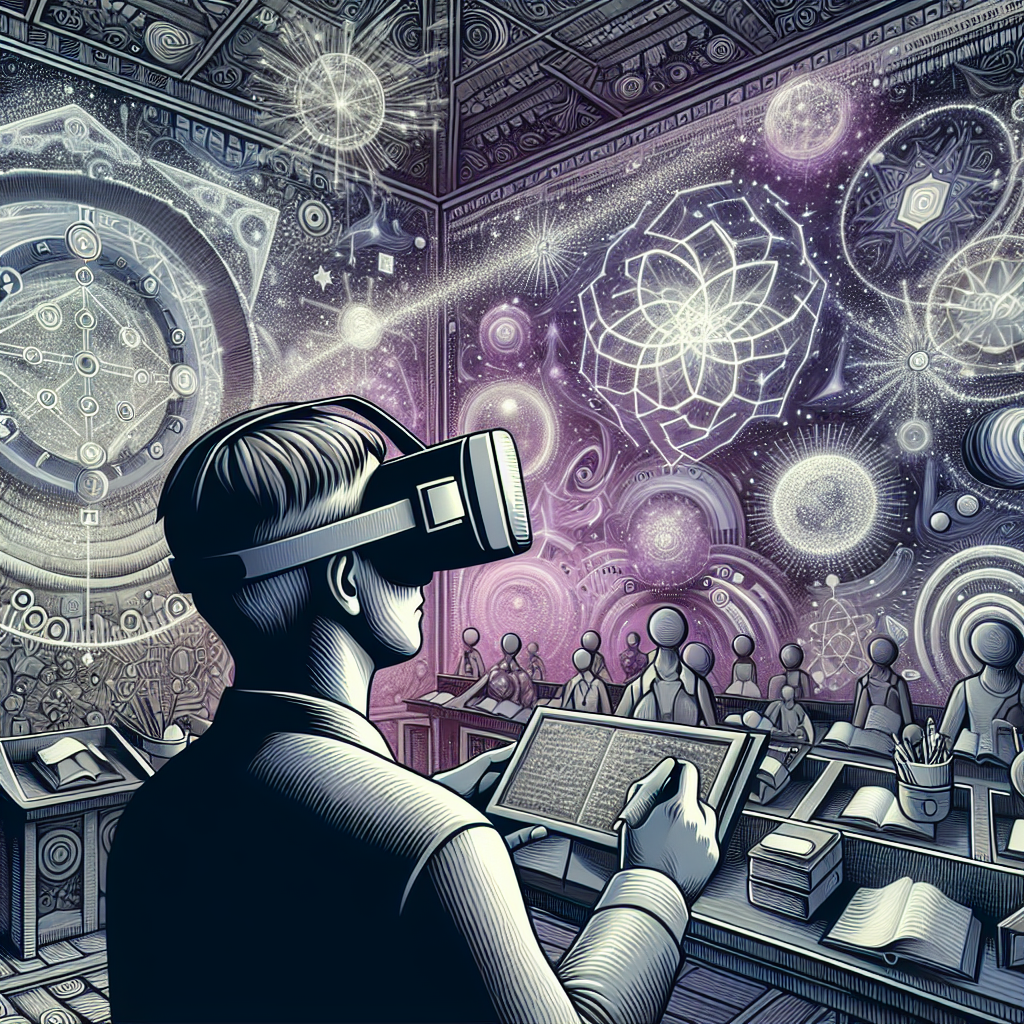
Author’s note: As an educator and technology enthusiast, I have witnessed firsthand the transformative power of immersive technologies in the classroom. Virtual Reality (VR) is not just a trend; it is reshaping how we approach learning and engagement. In this article, I will explore the rise of immersive VR education platforms and their potential to revolutionize the educational landscape.
In recent years, the educational sector has seen a remarkable shift towards innovative teaching methods, driven by advancements in technology. Among these, immersive VR education platforms have emerged as a game-changer, offering unique experiences that traditional learning environments cannot replicate. Here are some key aspects of this evolution:
- Enhanced engagement through interactive experiences
- Real-world simulations for practical learning
- Accessibility for diverse learning styles
- Global collaboration opportunities
- Cost-effective training solutions
The concept of immersive learning is not entirely new; however, the integration of VR technology has taken it to unprecedented heights. By creating a three-dimensional environment where students can interact with their surroundings, VR platforms provide a level of engagement that textbooks and lectures simply cannot match. Imagine a biology class where students can explore the human body from the inside, or a history lesson that transports them to ancient civilizations. These experiences not only captivate students’ attention but also enhance retention and understanding of complex subjects.
One of the most significant advantages of VR education platforms is their ability to simulate real-world scenarios. For instance, medical students can practice surgical procedures in a risk-free environment, allowing them to hone their skills before entering the operating room. Similarly, engineering students can experiment with virtual prototypes, testing their designs without the constraints of physical materials. This hands-on approach fosters critical thinking and problem-solving skills, essential for success in today’s job market.
Moreover, immersive VR education platforms cater to diverse learning styles, making education more inclusive. Visual learners benefit from the vivid imagery and interactive elements, while kinesthetic learners engage through movement and manipulation of virtual objects. Auditory learners can also find value in narrated experiences and discussions within the VR environment. By accommodating various learning preferences, these platforms ensure that all students have the opportunity to thrive.
Another compelling aspect of VR education is its potential for global collaboration. Students from different parts of the world can come together in a virtual classroom, sharing ideas and perspectives that enrich the learning experience. This not only fosters cultural understanding but also prepares students for a globalized workforce. Imagine a group of students from different countries working together on a project, using VR to visualize their ideas and collaborate in real-time. Such experiences can break down geographical barriers and create a sense of community among learners.
While the benefits of immersive VR education platforms are clear, it is essential to address the challenges that come with their implementation. One of the primary concerns is the cost associated with acquiring VR equipment and developing content. Schools and institutions may struggle to justify the investment, especially when budgets are tight. However, as technology advances and becomes more affordable, we can expect to see a broader adoption of VR in education.
Additionally, there is a need for proper training for educators to effectively integrate VR into their teaching practices. Professional development programs must be established to equip teachers with the skills and knowledge necessary to leverage this technology. Without adequate training, the potential of VR education platforms may go untapped, leaving both educators and students at a disadvantage.
Despite these challenges, the future of immersive VR education platforms looks promising. As more institutions recognize the value of experiential learning, we can anticipate a surge in the development of VR content tailored to various subjects and age groups. Companies specializing in educational technology are already collaborating with educators to create engaging and relevant VR experiences that align with curriculum standards.
In conclusion, the rise of immersive VR education platforms marks a significant milestone in the evolution of teaching and learning. By providing interactive, engaging, and inclusive experiences, these platforms have the potential to transform education as we know it. As we continue to explore the possibilities of VR in the classroom, it is crucial to embrace this technology and harness its power to inspire the next generation of learners.