 By Brandon Miller
 -
Table of Contents
The Psychology of Online Identity Construction
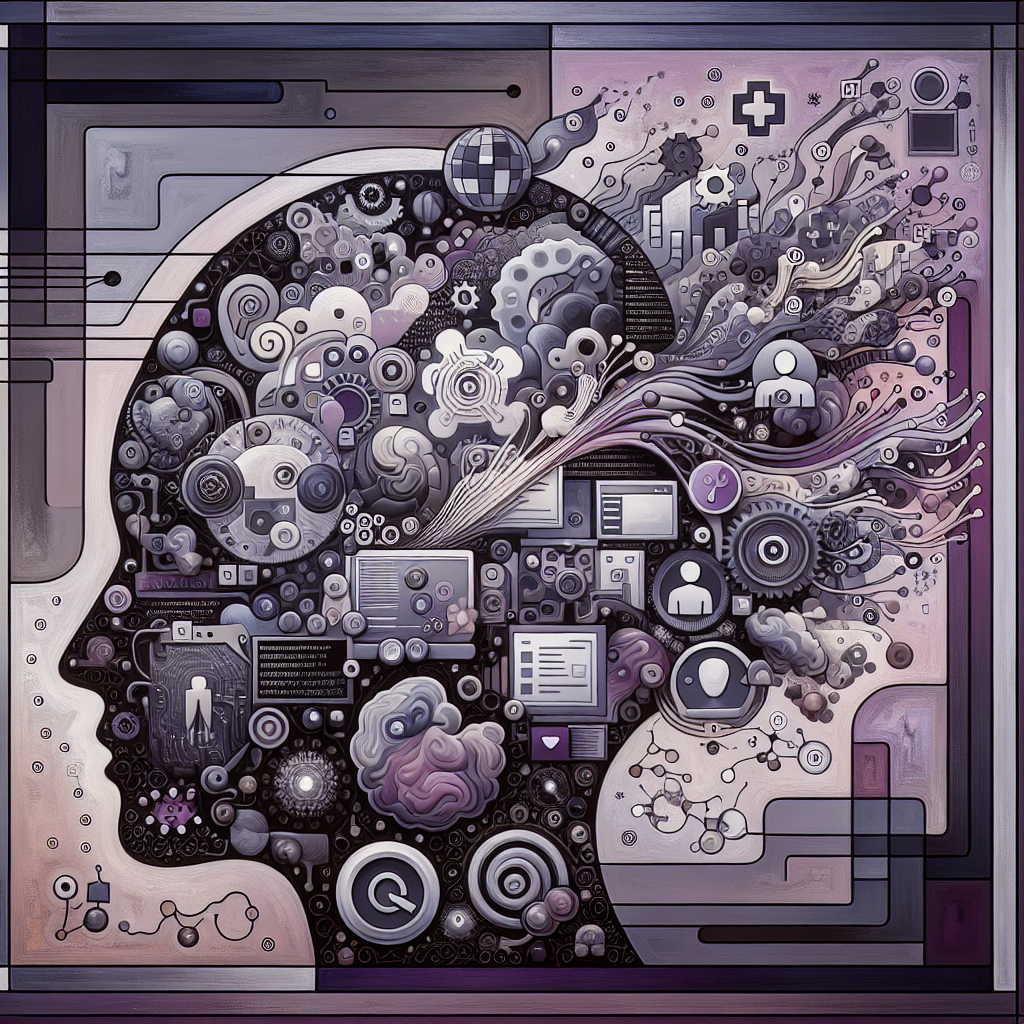
Author’s note: As a long-time observer of digital culture, I have witnessed the profound impact of online identity on our lives. The way we present ourselves online can shape not only our personal relationships but also our professional opportunities. In this article, I will explore the intricate psychology behind how we construct our online personas.
In an age where social media platforms dominate our daily interactions, the construction of online identity has become a fascinating psychological phenomenon. Individuals curate their digital selves through various means, often reflecting their aspirations, values, and social affiliations. The process of online identity construction can be influenced by several factors, including:
- The desire for social validation
- Personal branding and professional networking
- Peer influence and societal expectations
- Creative expression and self-exploration
- Privacy concerns and anonymity
At its core, online identity construction is a complex interplay between self-presentation and audience perception. The digital landscape allows individuals to experiment with different facets of their identity, often leading to a curated version that may differ significantly from their offline selves. This phenomenon raises important questions about authenticity and the psychological implications of living in a world where our identities can be selectively edited and filtered.
The Role of Social Media in Identity Formation
Social media platforms serve as the primary stage for identity construction, providing users with tools to showcase their lives, interests, and beliefs. From Instagram’s visual storytelling to Twitter’s succinct commentary, each platform offers unique avenues for self-expression. The pressure to conform to certain aesthetic standards or social norms can lead individuals to craft identities that prioritize popularity over authenticity.
Moreover, the feedback loop created by likes, shares, and comments can significantly influence how individuals perceive themselves. Positive reinforcement can boost self-esteem, while negative feedback may lead to anxiety and self-doubt. This dynamic can create a cycle where users feel compelled to maintain a particular image, often at the expense of their true selves.
Authenticity vs. Curation
The tension between authenticity and curation is a central theme in online identity construction. Many individuals grapple with the desire to present an authentic self while simultaneously curating a persona that aligns with societal expectations. This dichotomy can lead to a fragmented sense of self, where individuals feel disconnected from their offline identities.
Research suggests that the more individuals engage in self-presentation strategies that prioritize curation over authenticity, the more likely they are to experience feelings of loneliness and isolation. This paradox highlights the psychological toll of maintaining an online identity that may not fully represent one’s true self. As users navigate this landscape, they must confront the question: How much of my online persona is genuinely me?
The Impact of Anonymity
Anonymity plays a crucial role in online identity construction, allowing individuals to explore aspects of their identity that they may not feel comfortable expressing in their offline lives. This can be particularly liberating for marginalized groups or those grappling with complex identities. However, anonymity can also lead to negative behaviors, such as trolling or cyberbullying, as individuals feel less accountable for their actions.
The psychological implications of anonymity are profound. While it can foster a sense of freedom and exploration, it can also create a disconnection from the consequences of one’s actions. This duality raises important ethical questions about the responsibilities that come with online identity construction and the impact of our digital footprints.
Future Trends in Online Identity Construction
As technology continues to evolve, so too will the ways in which we construct our online identities. The rise of virtual reality and augmented reality platforms promises to further blur the lines between our online and offline selves. These technologies may offer new opportunities for self-expression but also pose challenges related to authenticity and self-perception.
Moreover, the increasing awareness of mental health issues related to social media use is prompting a shift in how individuals approach online identity construction. Many are beginning to prioritize authenticity over curation, seeking connections that are genuine rather than superficial. This trend may lead to a more nuanced understanding of identity in the digital age, where individuals feel empowered to embrace their true selves.
In conclusion, the psychology of online identity construction is a multifaceted and evolving field that reflects the complexities of human behavior in the digital age. As we navigate this landscape, it is essential to remain mindful of the impact our online personas have on our mental health and relationships. By fostering authenticity and self-acceptance, we can create a more inclusive and supportive digital environment for all.