 By Heinrich Bauer
-
Table of Contents
Wie Theater aktuelle soziale Themen behandelt
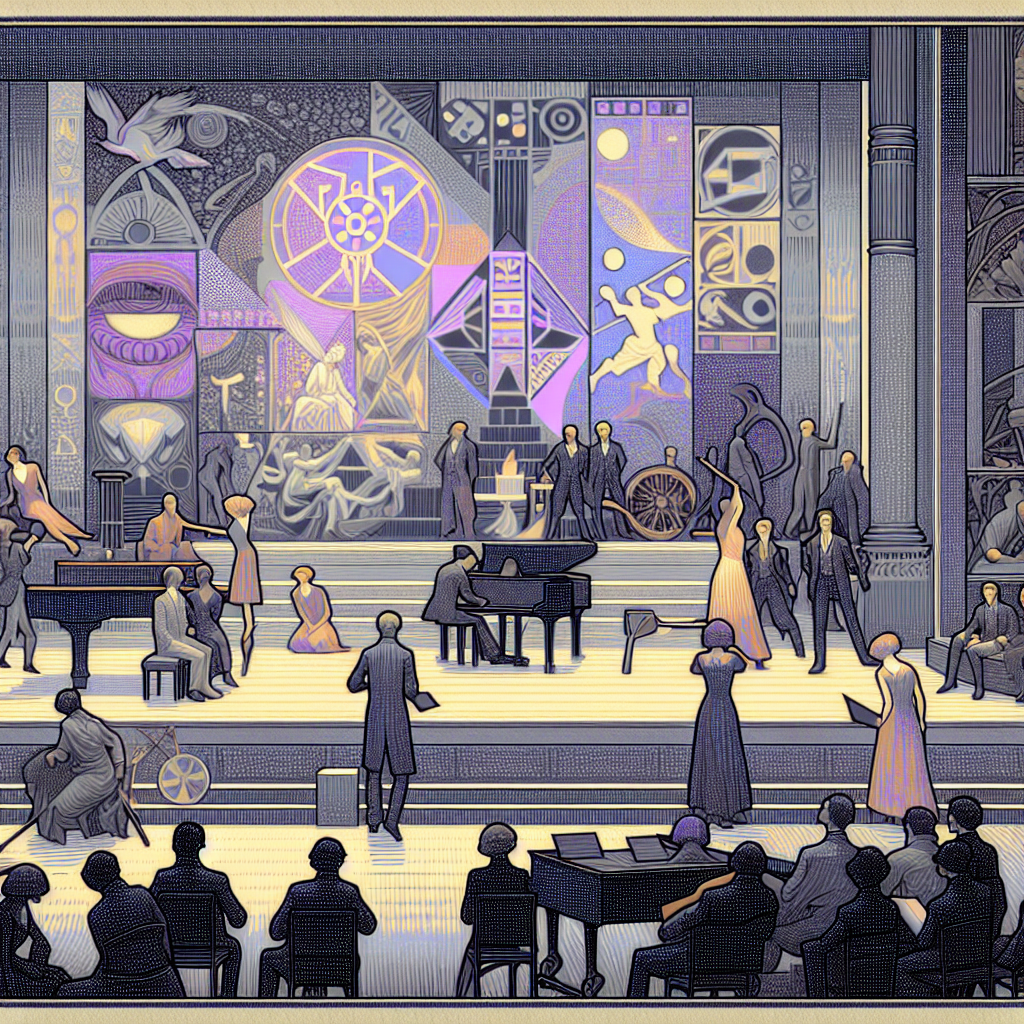
Author’s note: As a theater enthusiast and social commentator, I have always been fascinated by the way theater reflects and addresses current social issues. In this article, I will explore how theater tackles relevant social topics through its powerful storytelling and thought-provoking performances.
- Theater as a mirror of society
- The power of storytelling
- The role of audience engagement
- The use of diverse perspectives
- The impact on societal change
In today’s world, where we are constantly bombarded with news and information about various social issues, it can be overwhelming to keep up with everything. This is where theater plays a crucial role in bringing these topics to light and initiating important conversations. Through its ability to reflect the realities of our society, theater serves as a mirror that allows us to see ourselves more clearly.
One of the most powerful tools that theater uses to address social issues is storytelling. By presenting real-life situations through compelling narratives, it creates an emotional connection between the audience and the characters on stage. This connection enables viewers to empathize with different perspectives and understand complex issues in a more personal way.
Audience engagement is another key aspect of how theater tackles current social themes. Unlike other forms of media where we passively consume information, watching a live performance requires active participation from the audience. The energy exchange between actors and viewers creates an immersive experience that encourages critical thinking and reflection on societal norms.
In addition to engaging audiences through storytelling, theaters also strive for diversity in their productions. By incorporating diverse perspectives into their performances, they challenge traditional narratives and bring attention to marginalized voices within society. This not only adds depth and authenticity to the storytelling but also promotes inclusivity and representation on stage.
Moreover, theater has a significant impact on societal change. By addressing relevant social issues, it raises awareness and sparks important conversations that can lead to action. For example, plays about discrimination or inequality can inspire viewers to take a stand against these injustices in their own communities. Theater has the power to educate, inspire, and ultimately drive positive change.
In recent years, we have seen an increase in the number of productions that tackle current social topics such as racism, gender equality, mental health, and climate change. This is a testament to how theater continues to evolve with society and remains relevant by addressing pressing issues through its performances.
Theater as a platform for marginalized voices
One of the most significant ways in which theater addresses current social themes is by giving voice to marginalized communities. Through their performances, theaters provide a platform for underrepresented groups to share their stories and experiences with a wider audience.
This not only brings attention to important issues but also allows these communities to reclaim their narratives from mainstream media stereotypes. It gives them agency over their own stories and empowers them by amplifying their voices on stage.
The importance of intersectionality
Theater also recognizes the intersectionality of various social issues and strives for inclusivity in its productions. Intersectionality refers to how different forms of oppression (such as race, gender identity, sexual orientation) intersect with one another creating unique experiences for individuals within society.
By acknowledging this complexity through diverse casting choices or incorporating multiple perspectives into one production, theater creates more nuanced discussions around current social themes. This not only reflects our diverse society but also encourages empathy towards those who may face multiple forms of discrimination simultaneously.
In conclusion
Theater has always been a powerful medium for addressing current social issues. Through its ability to reflect society, engage audiences, and promote diversity and inclusivity, it continues to be a relevant platform for discussing important topics that affect our world.
As audience members, we have the responsibility to support and engage with these productions as they not only entertain us but also challenge us to think critically about the world around us. Let’s continue to use theater as a tool for change and create a more inclusive and empathetic society through its performances.