 By Heinrich Bauer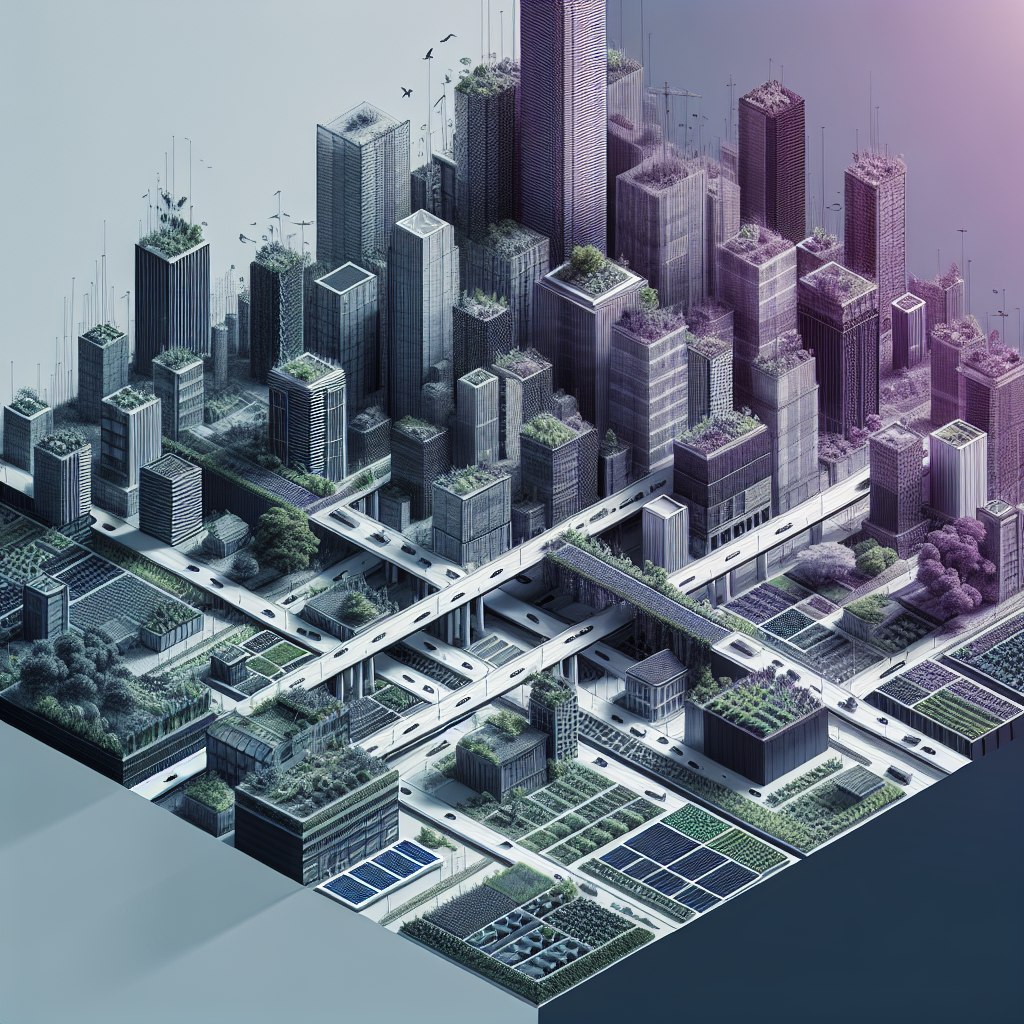
-
Table of Contents
Wie Architektur Nachhaltigkeit in Städten integriert

Author’s note: As a blogger and architecture enthusiast, I have always been fascinated by the role of architecture in promoting sustainability. In this article, we will explore how architects are incorporating sustainable practices into their designs to create more environmentally-friendly cities.
In today’s world, where climate change and environmental degradation are major concerns, it is crucial for cities to prioritize sustainability. Architecture plays a significant role in achieving this goal as buildings account for nearly 40% of global energy consumption and contribute to approximately one-third of greenhouse gas emissions. With that in mind, here are some ways architects are integrating sustainability into urban design:
- Passive design techniques: Architects are using passive design techniques such as natural ventilation, daylighting, and shading to reduce the need for artificial lighting and cooling systems. This not only reduces energy consumption but also creates a healthier indoor environment for occupants.
- Sustainable materials: The choice of building materials can have a significant impact on the overall sustainability of a city. Architects are now opting for eco-friendly materials such as bamboo, recycled steel, and reclaimed wood that have lower carbon footprints compared to traditional construction materials.
- Rainwater harvesting: With water scarcity becoming an increasingly pressing issue in many cities around the world, architects are incorporating rainwater harvesting systems into their designs. These systems collect rainwater from rooftops and store it for later use in irrigation or flushing toilets.
- Rooftop gardens: Another way architects are promoting sustainability is by designing buildings with rooftop gardens or green roofs. These not only provide insulation but also help reduce the urban heat island effect while improving air quality.
- Renewable energy sources: Many architects are now incorporating renewable energy sources such as solar panels, wind turbines, and geothermal systems into their designs. This not only reduces the reliance on fossil fuels but also helps to lower utility costs for building occupants.
- Mixed-use developments: In an effort to reduce urban sprawl and promote walkability, architects are designing mixed-use developments that combine residential, commercial, and recreational spaces in one area. This reduces the need for long commutes and promotes a more sustainable lifestyle.
The integration of sustainability into architecture is not just limited to new constructions; it also involves retrofitting existing buildings with green features. Here are some examples of how architects are making existing buildings more sustainable:
- Energy-efficient retrofits: Architects are using innovative techniques such as adding insulation, installing energy-efficient windows, and upgrading HVAC systems to make older buildings more energy-efficient. These retrofits can significantly reduce a building’s carbon footprint while also improving its overall performance.
- Brownfield redevelopment: Brownfields refer to abandoned or underutilized industrial sites that may be contaminated with hazardous materials. Instead of constructing new buildings on undeveloped land, architects are repurposing these brownfields by cleaning up the contamination and transforming them into sustainable developments.
- Prefabricated construction: Prefabrication involves assembling building components off-site before transporting them to the construction site for final assembly. This method not only reduces construction time but also minimizes waste generated during the building process.
In addition to incorporating sustainable practices into individual buildings, architects are also working towards creating entire eco-friendly neighborhoods or districts within cities. These neighborhoods often feature a mix of residential, commercial, and green spaces that are designed to promote sustainable living. Some examples of these sustainable neighborhoods include:
- Vauban, Germany: This neighborhood in Freiburg is known for its car-free streets and emphasis on renewable energy sources. The buildings here are designed to be energy-efficient, with solar panels on every rooftop.
- The Green District, Singapore: Located in the heart of Singapore’s Central Business District, this eco-friendly development features green roofs and walls, rainwater harvesting systems, and a district cooling system that reduces energy consumption by 30%.
- The Sustainable City, Dubai: This self-sufficient community in Dubai is powered entirely by solar energy and has a net-zero carbon footprint. It also features urban farming areas and electric vehicle charging stations.
In conclusion, architects play a crucial role in promoting sustainability in cities through their designs. By incorporating passive design techniques, using sustainable materials, harnessing renewable energy sources, and creating mixed-use developments or eco-friendly neighborhoods within cities, they are helping to create more environmentally-friendly urban spaces. As we continue to face the challenges of climate change and environmental degradation, it is essential for architects to prioritize sustainability in their designs for a better future.