 By Heinrich Bauer
-
Table of Contents
Der Einfluss des Klimawandels auf den deutschen Weinbau
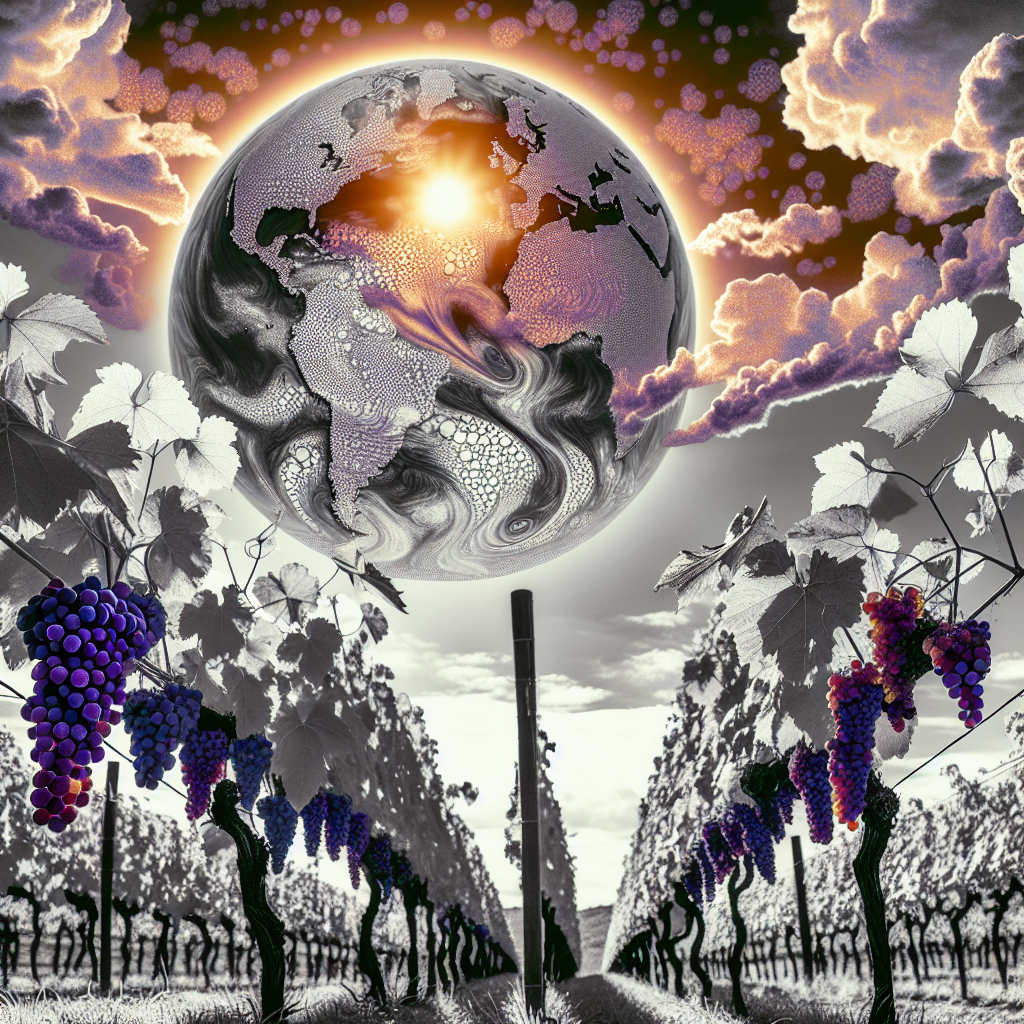
Author’s note: As a wine enthusiast and blogger, I have been closely following the impact of climate change on the German wine industry. In this article, I will discuss how changing weather patterns are affecting the production and quality of German wines.
The effects of climate change are being felt all over the world, and Germany is no exception. The country’s wine regions have been experiencing significant changes in temperature, precipitation, and extreme weather events in recent years. These changes have had a profound impact on the traditional methods of winemaking in Germany. Here are some key points to understand about how climate change is influencing the German wine industry:
- Rising temperatures: One of the most noticeable impacts of climate change on German vineyards is rising temperatures. Over the past few decades, average temperatures during growing seasons have increased by around 2 degrees Celsius. This may not seem like much, but it has significant consequences for grape ripening and flavor development.
- Inconsistent weather patterns: Climate change has also led to more unpredictable weather patterns in Germany. Extreme heatwaves followed by heavy rainfall or hailstorms can damage grapes and reduce yields. This makes it challenging for winemakers to plan their harvests effectively.
- Drought conditions: While some parts of Germany experience excessive rainfall due to climate change, others face drought conditions that can severely affect grape growth and quality. Drier soils lead to smaller berries with concentrated flavors but also increase their susceptibility to pests and diseases.
- Pest infestations: Warmer temperatures and drier conditions have also made German vineyards more vulnerable to pest infestations. Insects like the grapevine moth, which were previously not found in Germany, are now becoming a threat to the country’s wine production.
- Changing wine styles: As a result of these climate-related challenges, German winemakers are adapting their techniques and experimenting with new grape varieties. For example, some producers are planting heat-resistant grapes like Syrah and Cabernet Sauvignon instead of traditional Riesling.
- Economic impact: The changing climate has also had an economic impact on the German wine industry. Smaller harvests due to extreme weather events mean lower yields for winemakers, leading to higher prices for consumers. This can make it difficult for smaller wineries to compete in the market.
The effects of climate change on German wines are not all negative; there have been some positive developments as well. For instance, warmer temperatures have allowed grapes to ripen earlier than usual, resulting in riper and more full-bodied wines. However, this comes at the cost of losing some of the delicate aromas that make German wines unique.
In response to these changes, many winemakers in Germany are implementing sustainable practices such as using cover crops or installing irrigation systems to combat drought conditions. Some regions have also started using shade nets over their vineyards during heatwaves to protect grapes from sunburn.
The government is also taking steps towards mitigating the effects of climate change on the wine industry by providing financial support for research into new grape varieties and sustainable farming methods. They have also introduced stricter regulations regarding pesticide use and encouraged organic farming practices among wineries.
The future of German wines
The long-term consequences of climate change on the German wine industry are still uncertain. However, it is clear that winemakers will have to continue adapting and innovating to ensure the quality and sustainability of their wines. Some experts predict that in the future, Germany may no longer be able to produce certain grape varieties due to changing weather patterns.
On a positive note, climate change has also opened up new opportunities for German winemakers. The warmer temperatures have made it possible for regions like Ahr and Baden to grow red grapes successfully, which were previously not suitable for these cooler climates.
In conclusion
The impact of climate change on the German wine industry cannot be ignored. It is essential for both producers and consumers to understand how changing weather patterns are affecting our beloved wines. While there are challenges ahead, there is also room for innovation and growth in this evolving landscape. As a consumer, you can support sustainable practices by choosing wines from environmentally conscious wineries. Let us all raise a glass to the resilience of German winemaking in the face of climate change!