 By Brandon Miller
 -
Table of Contents
The Role of Urban Rewilding in Biodiversity Growth
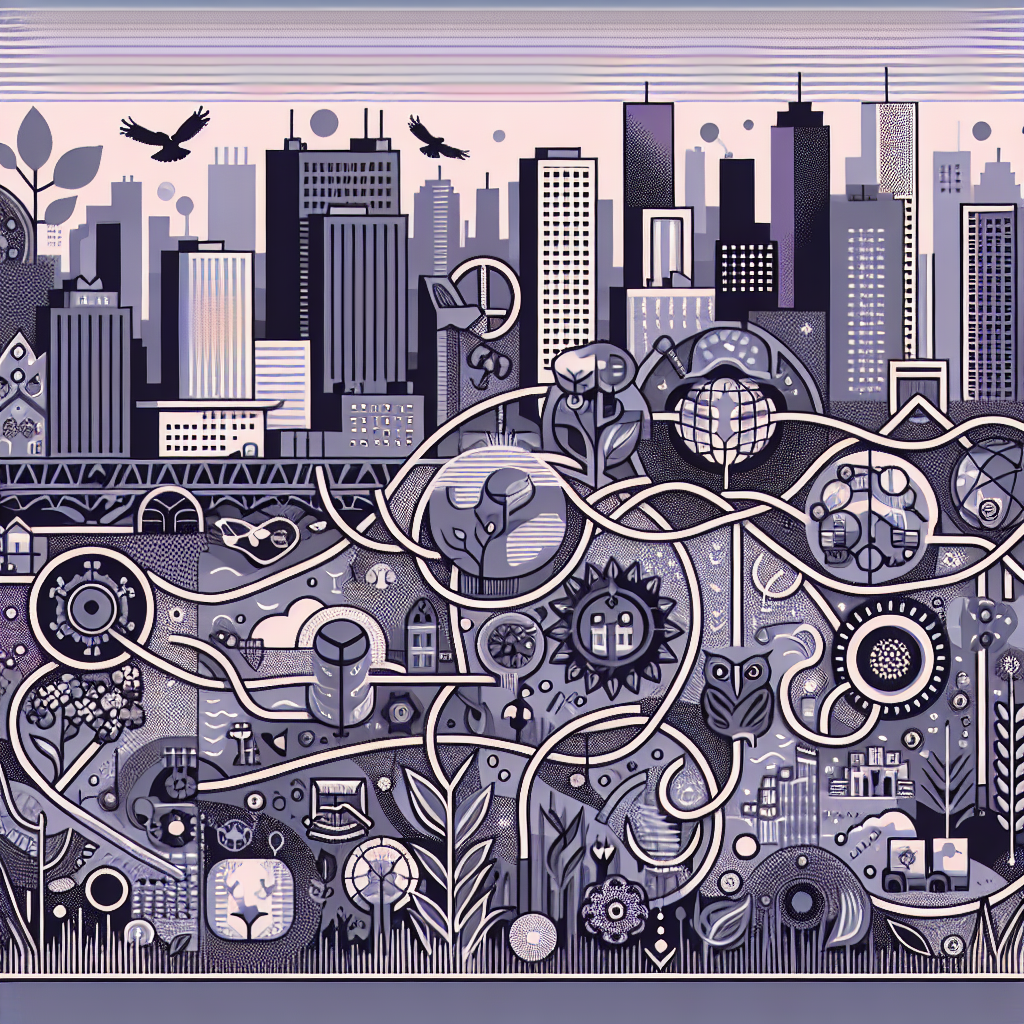
Author’s note: As an avid nature enthusiast and urban dweller, I have always been fascinated by the intersection of city life and the natural world. Urban rewilding presents a unique opportunity to restore biodiversity in our cities, creating vibrant ecosystems that benefit both wildlife and residents. In this article, I will explore the significance of urban rewilding and its potential to enhance biodiversity.
Urban rewilding is an innovative approach to restoring natural habitats within city landscapes. It involves the reintroduction of native flora and fauna, the creation of green spaces, and the promotion of ecological processes that have been disrupted by urbanization. The benefits of urban rewilding are manifold:
- Enhances local biodiversity
- Improves air and water quality
- Provides recreational spaces for communities
- Mitigates urban heat effects
- Supports mental health and well-being
As cities continue to expand, the natural habitats that once thrived in these areas are often lost to development. This loss not only diminishes the beauty of our urban environments but also disrupts the delicate balance of local ecosystems. Urban rewilding seeks to address these challenges by transforming neglected spaces into thriving habitats for wildlife. By reintroducing native species and creating green corridors, cities can foster biodiversity and create a more sustainable urban environment.
Understanding Urban Rewilding
At its core, urban rewilding is about reconnecting people with nature. It encourages the integration of natural elements into urban planning, allowing for the coexistence of human activity and wildlife. This approach can take many forms, from converting vacant lots into community gardens to transforming rooftops into green spaces. The goal is to create a mosaic of habitats that support a diverse range of species, from pollinators like bees and butterflies to birds and small mammals.
One of the most compelling aspects of urban rewilding is its ability to engage communities. When residents participate in the rewilding process, they develop a deeper connection to their environment. Community-led initiatives can include planting native species, creating wildlife habitats, and organizing educational programs about local ecosystems. These efforts not only enhance biodiversity but also foster a sense of stewardship among residents, encouraging them to take an active role in preserving their urban environment.
The Ecological Benefits
The ecological benefits of urban rewilding are profound. By restoring native habitats, cities can support a wider variety of species, which in turn contributes to a healthier ecosystem. Biodiversity is essential for ecosystem resilience, allowing natural systems to adapt to changes and recover from disturbances. In urban areas, this resilience is crucial as cities face challenges such as climate change, pollution, and habitat fragmentation.
Moreover, urban rewilding can improve air and water quality. Green spaces act as natural filters, absorbing pollutants and providing cleaner air for residents. Trees and plants also play a vital role in managing stormwater, reducing runoff, and preventing flooding. By incorporating more greenery into urban landscapes, cities can mitigate some of the adverse effects of urbanization, creating a healthier environment for all inhabitants.
Case Studies in Urban Rewilding
Several cities around the world have embraced urban rewilding with remarkable success. For instance, the High Line in New York City is a prime example of how a disused railway can be transformed into a vibrant green space. This elevated park not only provides a habitat for various species but also serves as a model for urban rewilding initiatives globally.
In London, the rewilding of the River Thames has led to the resurgence of native fish populations and improved water quality. Initiatives like these demonstrate that urban rewilding is not just a theoretical concept but a practical solution to real-world environmental challenges.
Challenges and Considerations
While the benefits of urban rewilding are clear, there are challenges to consider. Urban areas are often characterized by competing land uses, and the integration of natural spaces can sometimes be met with resistance. Additionally, there is a need for careful planning to ensure that rewilding efforts do not inadvertently introduce invasive species or disrupt existing ecosystems.
Collaboration among city planners, ecologists, and community members is essential to navigate these challenges. By working together, stakeholders can develop strategies that balance urban development with ecological restoration, ensuring that cities remain vibrant and biodiverse.
In conclusion, urban rewilding represents a transformative approach to enhancing biodiversity in our cities. By reintroducing native species, creating green spaces, and fostering community engagement, we can restore the natural balance that urbanization has disrupted. As we look to the future, embracing urban rewilding will be crucial in creating sustainable, resilient cities that benefit both people and wildlife.