 By Brandon Miller
 -
Table of Contents
Generative AI and Its Impact on Hollywood Scriptwriting
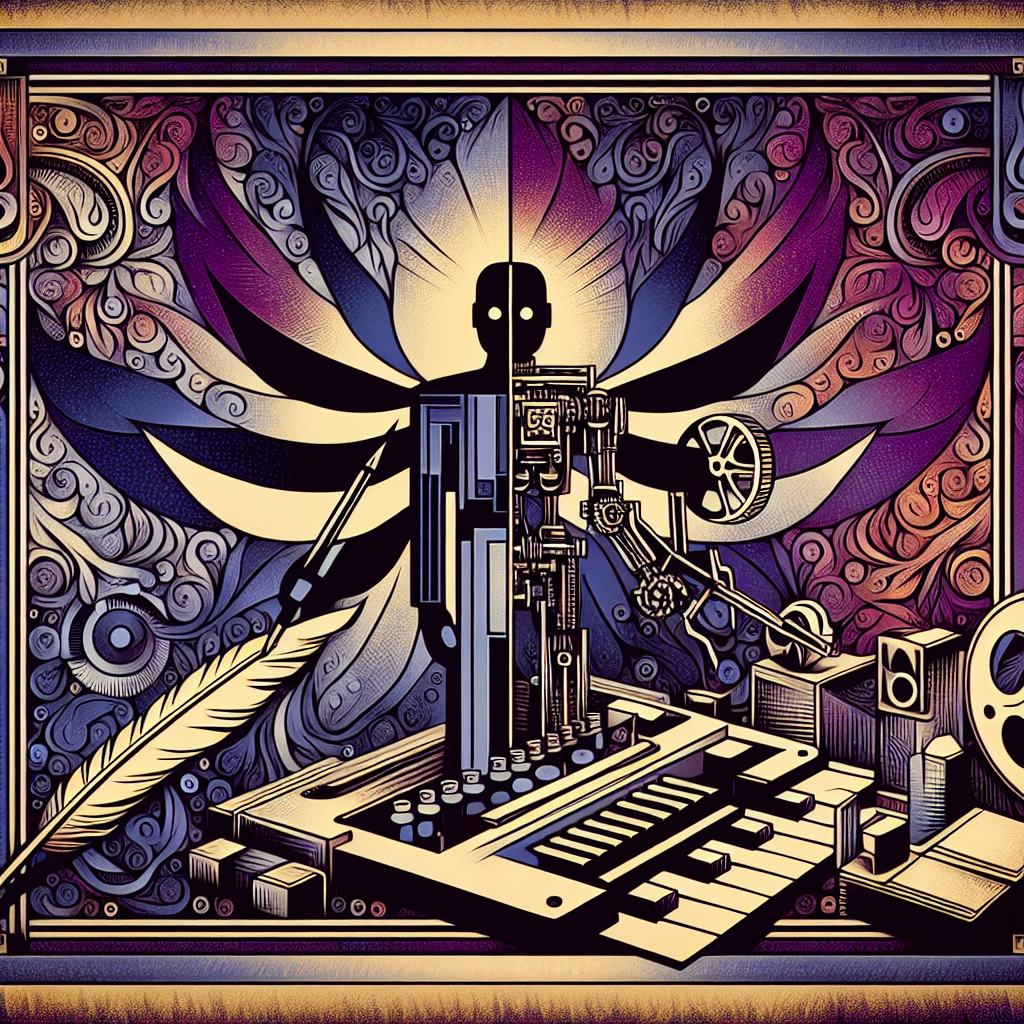
Author’s note: As a long-time observer of the film industry, I have witnessed the evolution of storytelling through various technological advancements. The rise of generative AI is one of the most intriguing developments, promising to reshape the landscape of scriptwriting in Hollywood. In this article, I will explore how this technology is influencing creativity, collaboration, and the future of screenwriting.
Generative AI is making waves in Hollywood, transforming the way scripts are conceived, developed, and refined. This technology leverages machine learning algorithms to generate text, offering writers a new set of tools to enhance their creative processes. Here are some key aspects of how generative AI is affecting scriptwriting:
- Enhanced brainstorming capabilities
- Streamlined revisions and edits
- Personalized content generation
- Collaboration between human writers and AI
- Potential ethical considerations
Enhanced Brainstorming Capabilities
One of the most significant advantages of generative AI is its ability to assist writers during the brainstorming phase. By analyzing vast amounts of existing scripts, books, and other narrative forms, AI can suggest plot points, character arcs, and dialogue snippets that writers might not have considered. This capability allows for a more expansive exploration of ideas, enabling writers to break free from conventional storytelling molds.
Streamlined Revisions and Edits
Revising a script can be a daunting task, often requiring multiple iterations before reaching a polished final product. Generative AI can expedite this process by providing suggestions for improvements, identifying inconsistencies, and even rewriting sections of dialogue. This not only saves time but also allows writers to focus on the creative aspects of their work rather than getting bogged down in the minutiae of editing.
Personalized Content Generation
As audiences become increasingly diverse, the demand for personalized content is on the rise. Generative AI can analyze viewer preferences and trends, enabling writers to create scripts that resonate with specific demographics. By tailoring narratives to meet the expectations of different audiences, filmmakers can enhance engagement and drive box office success. This level of customization was previously unimaginable, but AI is making it a reality.
Collaboration Between Human Writers and AI
While some may fear that AI will replace human writers, the reality is that generative AI is more likely to serve as a collaborative partner. Writers can leverage AI-generated suggestions while maintaining their unique voice and vision. This partnership can lead to innovative storytelling techniques and fresh perspectives, ultimately enriching the creative process. The synergy between human creativity and machine intelligence has the potential to unlock new narrative possibilities.
Potential Ethical Considerations
As with any technological advancement, the rise of generative AI in scriptwriting raises important ethical questions. Issues such as copyright, authorship, and the potential for bias in AI-generated content must be addressed. Writers and industry stakeholders need to establish guidelines that ensure the responsible use of AI while protecting the integrity of creative work. Open discussions about these challenges will be crucial as the industry navigates this new terrain.
The Future of Scriptwriting
Looking ahead, the integration of generative AI into Hollywood scriptwriting is likely to continue evolving. As technology advances, we can expect even more sophisticated tools that will further enhance the creative process. Writers will need to adapt to these changes, embracing AI as a valuable ally rather than a competitor. The future of storytelling in Hollywood may very well depend on the harmonious collaboration between human ingenuity and artificial intelligence.
In conclusion, generative AI is poised to revolutionize Hollywood scriptwriting, offering new opportunities for creativity, efficiency, and personalization. As writers and filmmakers embrace this technology, they will not only enhance their craft but also redefine the very nature of storytelling. The journey ahead is filled with potential, and it will be fascinating to see how this dynamic interplay between human and machine unfolds in the coming years.