 By Brandon Miller
 -
Table of Contents
How Floating Solar Farms Boost Clean Energy
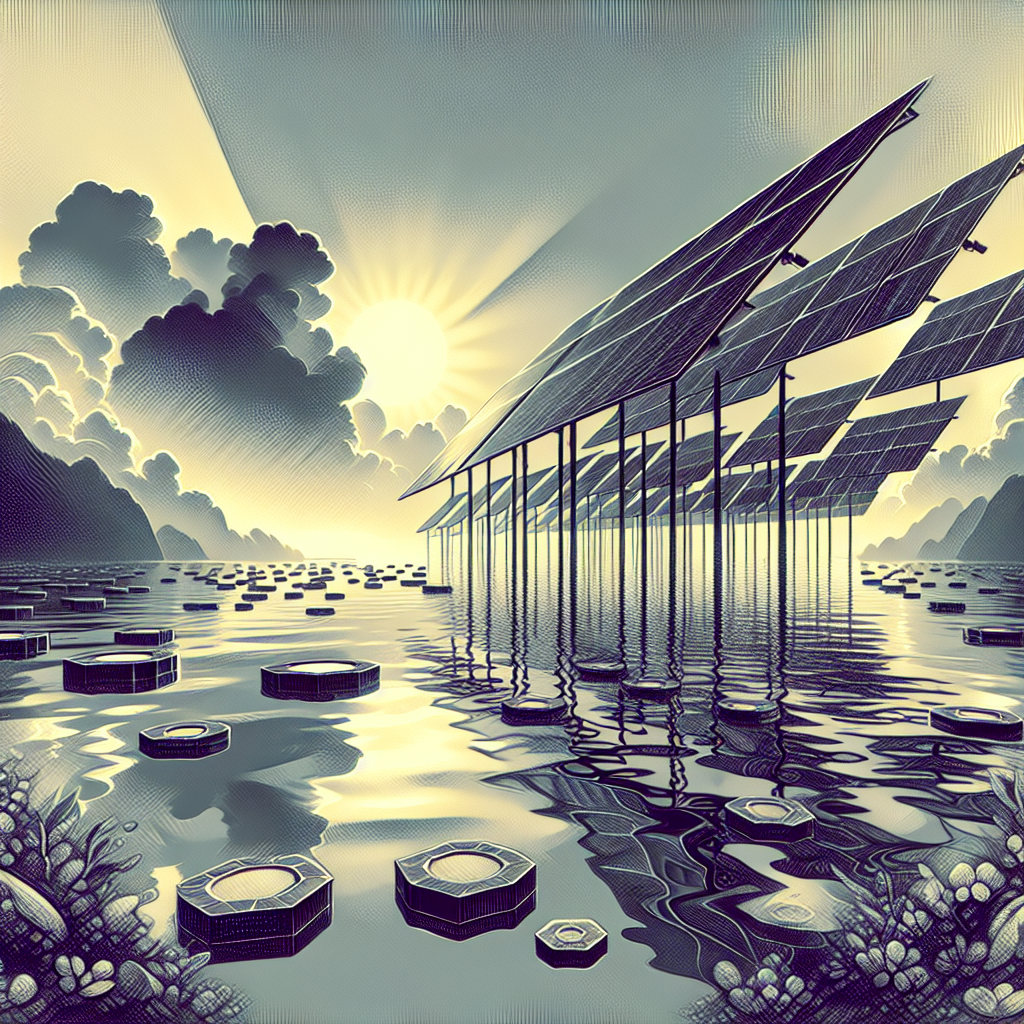
Author’s note: As an advocate for sustainable energy solutions, I have always been fascinated by innovative technologies that can help combat climate change. Floating solar farms represent a remarkable advancement in renewable energy, merging the benefits of solar power with the untapped potential of our water bodies. In this article, I will explore how these installations are transforming the energy landscape.
Floating solar farms are an emerging trend in the renewable energy sector, offering a unique solution to some of the challenges faced by traditional solar installations. These innovative systems are designed to harness solar energy while floating on bodies of water, such as lakes, reservoirs, and even oceans. The advantages of floating solar farms include:
- Maximized land use efficiency
- Reduced water evaporation
- Lower cooling costs for solar panels
- Minimized algae growth in water bodies
- Enhanced energy generation potential
As the world grapples with the pressing need for clean energy, floating solar farms are emerging as a viable solution to meet growing energy demands while minimizing environmental impact. These installations not only provide a sustainable source of electricity but also address several critical issues associated with land-based solar farms.
The Mechanics of Floating Solar Farms
Floating solar farms consist of solar panels mounted on a buoyant platform, which is anchored to the water’s surface. This design allows for easy installation and maintenance while ensuring that the panels remain stable and secure. The platforms are typically made from durable materials that can withstand harsh weather conditions and are designed to minimize environmental disruption.
One of the most significant advantages of floating solar farms is their ability to generate energy without competing for valuable land resources. In regions where land is scarce or expensive, such as urban areas, floating solar farms provide an alternative that can be deployed on existing water bodies. This not only preserves land for agriculture and natural habitats but also maximizes the use of available space.
Environmental Benefits
Floating solar farms offer several environmental benefits that contribute to their appeal as a clean energy solution. One of the most notable advantages is their ability to reduce water evaporation. By covering the surface of a water body, these installations can significantly decrease the amount of water lost to evaporation, which is particularly beneficial in arid regions where water conservation is critical.
Additionally, floating solar farms can help mitigate the growth of harmful algae blooms. Algae thrive in sunlight, and by shading the water surface, floating solar panels can limit the amount of light that reaches the water, thereby reducing the conditions that promote algae growth. This not only improves water quality but also supports aquatic ecosystems.
Economic Viability
The economic potential of floating solar farms is another compelling reason for their growth. As technology advances and production costs decrease, the feasibility of these installations continues to improve. Floating solar farms can be more cost-effective than traditional solar farms in certain scenarios, particularly when considering the costs associated with land acquisition and preparation.
Moreover, floating solar farms can be integrated with existing water infrastructure, such as hydropower plants, to create hybrid systems that enhance energy generation. This synergy can lead to increased efficiency and reduced operational costs, making floating solar farms an attractive investment for both public and private entities.
Global Adoption and Future Prospects
Countries around the world are beginning to recognize the potential of floating solar farms, with several large-scale projects already in operation. For instance, China has invested heavily in floating solar technology, with one of the largest floating solar farms located on a former coal mine. Similarly, countries like Japan, India, and the United States are exploring the benefits of this innovative energy solution.
As the demand for clean energy continues to rise, the future of floating solar farms looks promising. With ongoing research and development, we can expect advancements in technology that will further enhance the efficiency and effectiveness of these installations. Additionally, as governments and organizations prioritize sustainability, floating solar farms are likely to play a crucial role in achieving renewable energy targets.
Challenges and Considerations
Despite their many advantages, floating solar farms are not without challenges. Issues such as regulatory hurdles, environmental impact assessments, and the need for specialized maintenance can complicate the deployment of these systems. Furthermore, the long-term durability of materials used in floating solar technology must be carefully considered to ensure sustainability.
However, with the right policies and investments, these challenges can be addressed, paving the way for a cleaner, more sustainable energy future. As floating solar farms continue to gain traction, they represent a significant step forward in our quest for innovative solutions to combat climate change and promote renewable energy.