 By Brandon Miller
 -
Table of Contents
How Renewable Fuels Disrupt Shipping Logistics
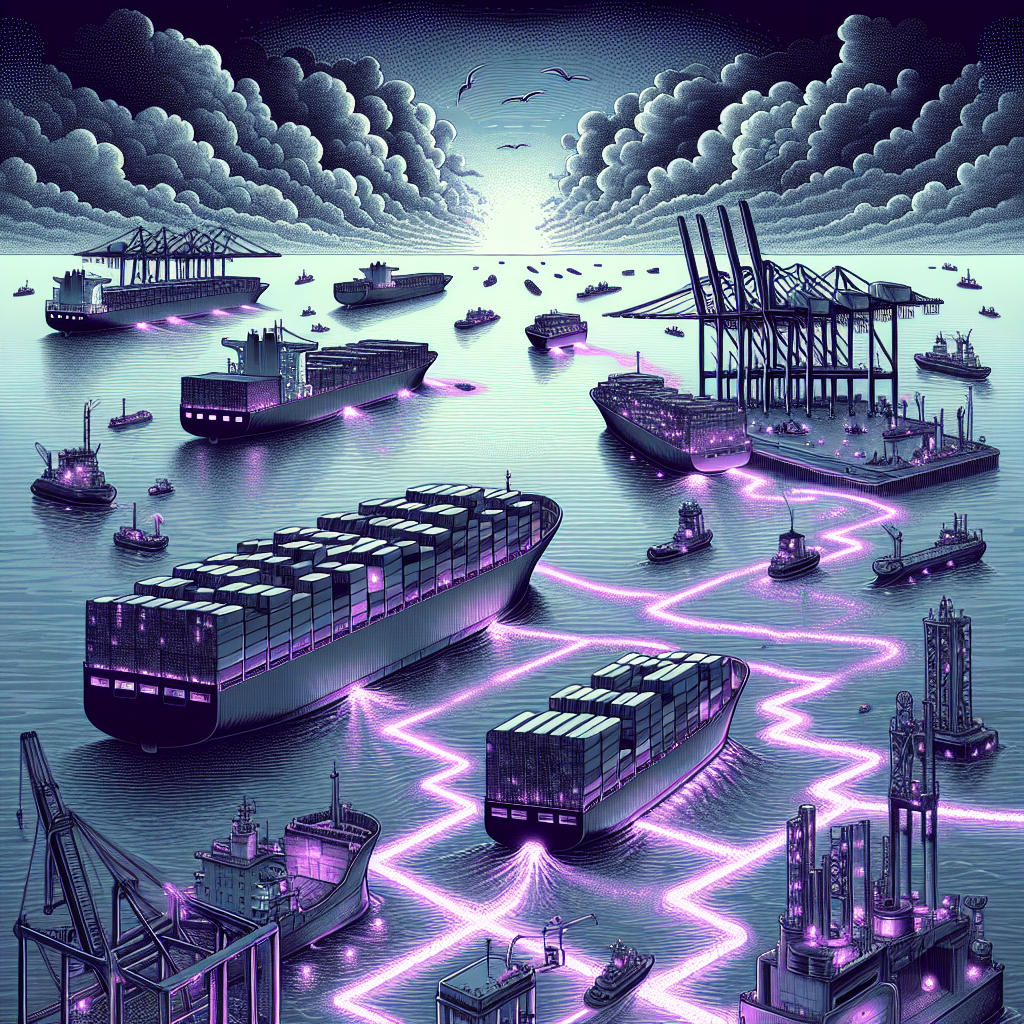
Author’s note: As an avid observer of the shipping industry and its evolving dynamics, I have witnessed firsthand the transformative impact of renewable fuels. The shift towards sustainable energy sources is not just a trend; it is a fundamental change that is reshaping logistics and supply chains globally. In this article, I will explore how renewable fuels are disrupting traditional shipping logistics and what that means for the future.
The shipping industry, a cornerstone of global trade, is undergoing a seismic shift as it embraces renewable fuels. This transition is driven by several factors:
- Environmental regulations
- Corporate sustainability goals
- Technological advancements
- Market demand for greener solutions
- Economic incentives
Historically, the shipping sector has relied heavily on fossil fuels, which have contributed significantly to greenhouse gas emissions. However, with increasing pressure from governments and consumers alike, the industry is now exploring alternative energy sources. Renewable fuels, such as biofuels, hydrogen, and ammonia, are emerging as viable options that promise to reduce the carbon footprint of maritime operations.
The Rise of Renewable Fuels in Shipping
Renewable fuels are not just a passing fad; they represent a paradigm shift in how shipping companies approach energy consumption. Biofuels, derived from organic materials, have gained traction due to their compatibility with existing engines and infrastructure. Hydrogen, on the other hand, offers a zero-emission alternative, while ammonia is being touted for its potential as a carbon-free fuel. Each of these options presents unique challenges and opportunities for the shipping industry.
Challenges of Transitioning to Renewable Fuels
While the benefits of renewable fuels are clear, the transition is fraught with challenges. One of the primary hurdles is the need for significant investment in new technologies and infrastructure. Shipping companies must adapt their fleets to accommodate new fuel types, which can be costly and time-consuming. Additionally, the availability of renewable fuels is still limited, creating logistical challenges in sourcing and distribution.
Moreover, the regulatory landscape is constantly evolving. Shipping companies must navigate a complex web of international regulations that govern emissions and fuel standards. Compliance with these regulations can be daunting, particularly for smaller operators who may lack the resources to invest in new technologies.
Impact on Shipping Logistics
The shift towards renewable fuels is not just a technical change; it is fundamentally altering shipping logistics. Here are some key areas where this disruption is evident:
- Supply Chain Adjustments: As companies adopt renewable fuels, they must rethink their supply chains. This includes sourcing raw materials for biofuels or establishing partnerships for hydrogen production. The logistics of transporting these fuels to ports and vessels will require new strategies and infrastructure.
- Operational Efficiency: The integration of renewable fuels can lead to improved operational efficiency. For instance, vessels powered by biofuels may experience lower fuel costs, while hydrogen-powered ships could benefit from reduced maintenance needs. These efficiencies can enhance competitiveness in a tight market.
- Market Dynamics: The demand for greener shipping solutions is reshaping market dynamics. Companies that prioritize sustainability may gain a competitive edge, attracting environmentally conscious consumers and investors. This shift could lead to a re-evaluation of pricing structures and service offerings.
- Collaboration and Innovation: The transition to renewable fuels is fostering collaboration across the industry. Shipping companies, fuel producers, and technology developers are increasingly working together to innovate and create solutions that address the challenges of this transition.
The Future of Shipping Logistics
As the shipping industry continues to embrace renewable fuels, the future of logistics will be characterized by greater sustainability and efficiency. Companies that proactively adapt to these changes will not only comply with regulations but also position themselves as leaders in a rapidly evolving market. The integration of renewable fuels is not merely a response to external pressures; it is an opportunity for innovation and growth.
In conclusion, the disruption caused by renewable fuels in shipping logistics is profound and far-reaching. As the industry navigates this transition, it will be essential for stakeholders to remain agile and forward-thinking. The journey towards a more sustainable shipping sector is just beginning, and those who embrace it will undoubtedly shape the future of global trade.