 By Brandon Miller
 -
Table of Contents
How Drone Taxis Influence Future Cities
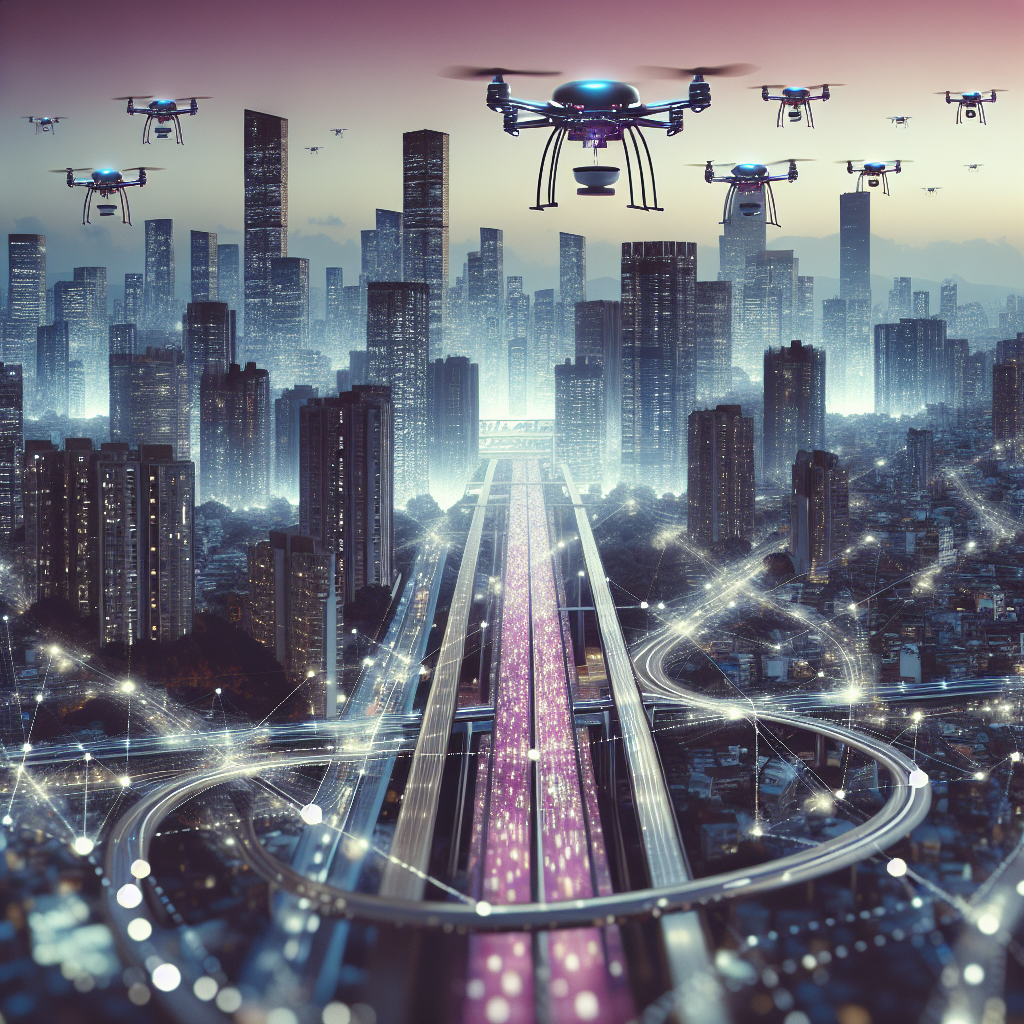
Author’s note: As an urban enthusiast and technology aficionado, I have always been fascinated by the intersection of innovation and city life. The advent of drone taxis promises to reshape our urban landscapes in ways we are only beginning to understand. In this article, I explore the potential impacts of this transformative technology on our cities.
The concept of drone taxis is no longer confined to the realm of science fiction. With advancements in aerial technology and urban planning, we are on the brink of a transportation revolution. As we look ahead, several key factors emerge that highlight the significance of drone taxis in shaping future cities:
- Reduction in traffic congestion
- Enhanced accessibility to remote areas
- Environmental sustainability
- Economic growth through new industries
- Innovative urban design
At the heart of the drone taxi revolution is the promise of alleviating traffic congestion, a persistent issue in urban environments. Traditional ground transportation systems are often overwhelmed, leading to longer commute times and increased pollution. Drone taxis, operating above the gridlock, can provide a swift alternative, allowing passengers to bypass the chaos of city streets. This aerial approach not only saves time but also reduces the stress associated with daily commutes.
Moreover, drone taxis can significantly enhance accessibility, particularly in areas that are underserved by conventional public transport. Rural and suburban regions often face challenges in connectivity, making it difficult for residents to access essential services, jobs, and educational opportunities. By integrating drone taxis into the transportation network, cities can bridge these gaps, ensuring that all citizens have equitable access to resources and opportunities.
Environmental Sustainability
As cities grapple with the pressing issue of climate change, the environmental benefits of drone taxis cannot be overlooked. Many companies are developing electric vertical takeoff and landing (eVTOL) aircraft, which promise to produce fewer emissions than traditional vehicles. By shifting a portion of urban transportation to the skies, cities can reduce their carbon footprints and contribute to cleaner air quality. Furthermore, the potential for drone taxis to operate on renewable energy sources adds another layer of sustainability to this innovative mode of transport.
Economic Growth and New Industries
The introduction of drone taxis is poised to stimulate economic growth by creating new industries and job opportunities. As the demand for aerial transportation increases, so too will the need for skilled professionals in areas such as drone maintenance, air traffic management, and software development. This burgeoning sector could lead to the establishment of training programs and educational institutions focused on aviation technology, further enriching the local economy.
Additionally, the rise of drone taxis may encourage investment in infrastructure, such as vertiports—designated landing and takeoff zones for aerial vehicles. These facilities will require careful planning and integration into existing urban landscapes, prompting cities to rethink their spatial organization. The result could be a more dynamic and interconnected urban environment, where transportation hubs serve as focal points for commerce and community engagement.
Innovative Urban Design
As drone taxis become a reality, urban design will inevitably evolve to accommodate this new mode of transportation. Cities may begin to prioritize vertical development, with buildings designed to include vertiports and other aerial infrastructure. This shift could lead to a reimagining of public spaces, as traditional parking lots and roadways are transformed into parks, plazas, and pedestrian-friendly areas. The potential for drone taxis to influence urban design extends beyond mere aesthetics; it could foster a more sustainable and livable environment for residents.
Furthermore, the integration of drone taxis into the urban fabric may encourage a shift in how we perceive mobility. As aerial transportation becomes more commonplace, the emphasis on car ownership may diminish, leading to a more communal approach to travel. This change could promote a culture of shared mobility, where residents rely on a variety of transportation options—be it drone taxis, public transit, or bicycles—to navigate their cities.
Challenges and Considerations
While the potential benefits of drone taxis are significant, it is essential to acknowledge the challenges that lie ahead. Regulatory frameworks will need to be established to ensure safety and efficiency in the skies. Additionally, public acceptance of drone taxis will play a crucial role in their success. Addressing concerns related to noise pollution, privacy, and air traffic management will be vital in fostering a positive perception of this new technology.
As we stand on the cusp of this transportation revolution, it is clear that drone taxis have the potential to reshape our cities in profound ways. By reducing congestion, enhancing accessibility, promoting sustainability, and stimulating economic growth, they offer a glimpse into a future where urban living is more efficient and enjoyable. The journey ahead may be complex, but the promise of drone taxis is one that could redefine the very essence of city life.