 By Heinrich Bauer
 -
Table of Contents
Author’s note:
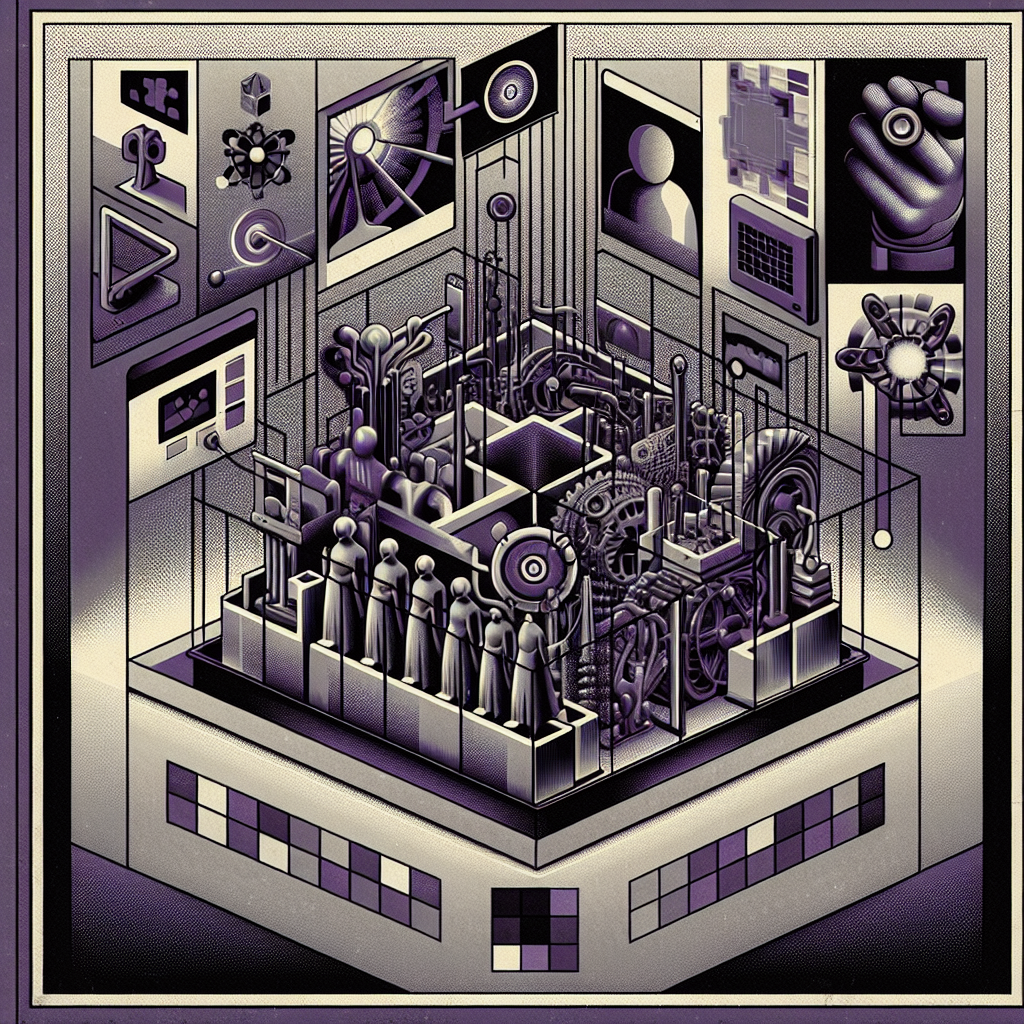
As a technology enthusiast and avid museum-goer, I have always been fascinated by the intersection of digital innovation and cultural institutions. In this article, we will explore how museums are embracing digital technology to enhance visitor experiences.
The rise of digital technology in museums
In recent years, museums around the world have been incorporating various forms of digital technology into their exhibits and programs. This trend has been driven by a desire to engage younger audiences, provide more interactive experiences, and stay relevant in an increasingly tech-savvy society. Some ways in which museums are experimenting with digital technology include:
- Virtual reality (VR) tours: Many museums now offer virtual reality experiences that allow visitors to explore exhibits from the comfort of their own homes.
- Augmented reality (AR) apps: AR apps can provide additional information about artifacts or artworks when visitors point their smartphones at them.
- Interactive touchscreens: Touchscreen displays enable visitors to learn more about exhibits through videos, images, and text.
- Digital storytelling: Museums are using multimedia platforms to tell stories about their collections in new and engaging ways.
- Online exhibitions: Some museums are creating online exhibitions that can be accessed by anyone with an internet connection, expanding their reach beyond physical walls.
The benefits of integrating digital technology
The integration of digital technology into museum spaces offers numerous benefits for both visitors and institutions. For visitors, it provides a more immersive and interactive experience that enhances learning and engagement. Digital tools also make it easier for museums to update content regularly and cater to diverse interests. Additionally, these technologies can help attract new audiences who may not have visited traditional museums otherwise.
A case study: The Museum of Modern Art (MoMA)
One example of a museum that has successfully embraced digital technology is the Museum of Modern Art in New York City. MoMA offers an app that provides audio guides for its exhibits as well as additional information on artists and artworks. The museum also hosts virtual events such as online lectures and workshops to engage with audiences worldwide. By leveraging digital tools effectively, MoMA has expanded its reach beyond its physical location while enhancing visitor experiences both on-site and online.