 By Heinrich Bauer
 -
Table of Contents
Wie Digitalisierung neue Berufe schafft
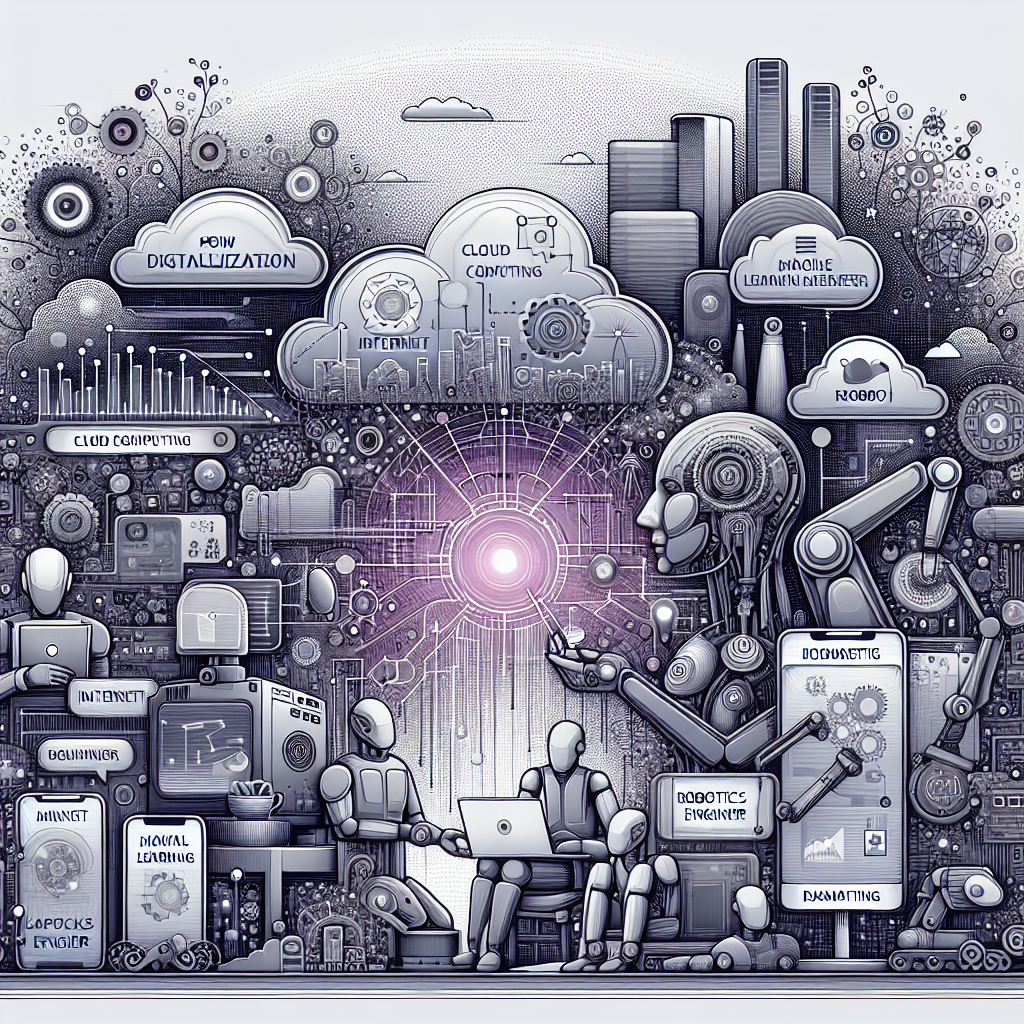
Author’s note: As a seasoned blogger in the tech industry, I have witnessed firsthand how digitalization has revolutionized the job market, creating new opportunities for professionals across various sectors.
In today’s rapidly evolving digital landscape, technology is constantly reshaping the way we work and interact with each other. The rise of digitalization has not only transformed existing professions but also given birth to entirely new roles that were unheard of just a few years ago. Here are some ways in which digitalization is creating new jobs:
- Data Analysts: With the vast amount of data being generated every day, companies need skilled professionals who can analyze and interpret this information to make informed business decisions.
- Cybersecurity Experts: As cyber threats become more sophisticated, there is a growing demand for cybersecurity experts who can protect sensitive information and secure networks from potential attacks.
- Digital Marketing Specialists: In an increasingly online world, businesses rely on digital marketing specialists to create targeted campaigns that reach their desired audience effectively.
- User Experience Designers: User experience (UX) designers play a crucial role in ensuring that websites and applications are intuitive and user-friendly, enhancing customer satisfaction and loyalty.
The rapid pace of technological advancements means that traditional job roles are constantly evolving or becoming obsolete. To stay relevant in today’s competitive job market, professionals need to adapt to these changes by acquiring new skills and embracing emerging technologies. This shift towards digitalization has opened up exciting opportunities for individuals willing to embrace innovation and learn continuously.
One of the key benefits of digitalization is its ability to democratize access to education and training. Online platforms offer a wealth of resources for individuals looking to upskill or reskill in areas such as coding, data analysis, or artificial intelligence. This accessibility allows people from diverse backgrounds to pursue careers in tech-related fields without having formal qualifications or prior experience.
Furthermore, remote work has become increasingly prevalent due to advances in communication technology. Virtual collaboration tools enable teams to work together seamlessly regardless of their physical location, opening up possibilities for flexible working arrangements and global talent sourcing. This trend towards remote work has created opportunities for freelancers and independent contractors who can provide specialized services on a project basis.
As automation continues to disrupt traditional industries, there is growing interest in fields such as robotics, machine learning, and blockchain technology. These emerging technologies have the potential to revolutionize various sectors including healthcare, finance, manufacturing, and transportation. Professionals with expertise in these areas are well-positioned to capitalize on the demand for innovative solutions that drive efficiency and productivity.
In conclusion,digitalization is not only transforming existing professions but also creating new career paths that cater<to the needs<of our increasingly interconnected world.<It ist important für individuals zu remain agile und open-minded when it comes zu embracing change und exploring novel opportunities within this ever-evolving landscape.<Digitalisierung hat das Potenzial zur Schaffung von Arbeitsplätzen mit hoher Nachfrage und Wachstumsperspektive für diejenigen,die bereit sind,sich anzupassen und kontinuierlich weiterzubilden.